

Product design · Royal College of Art · 2026
Leather
Tripod
Three legs. A leather seat. An exploration of how they meet, open and fold.
An ongoing study of geometry, material and assembly, developed through interactive models, drawings and a small-scale folding mechanism.
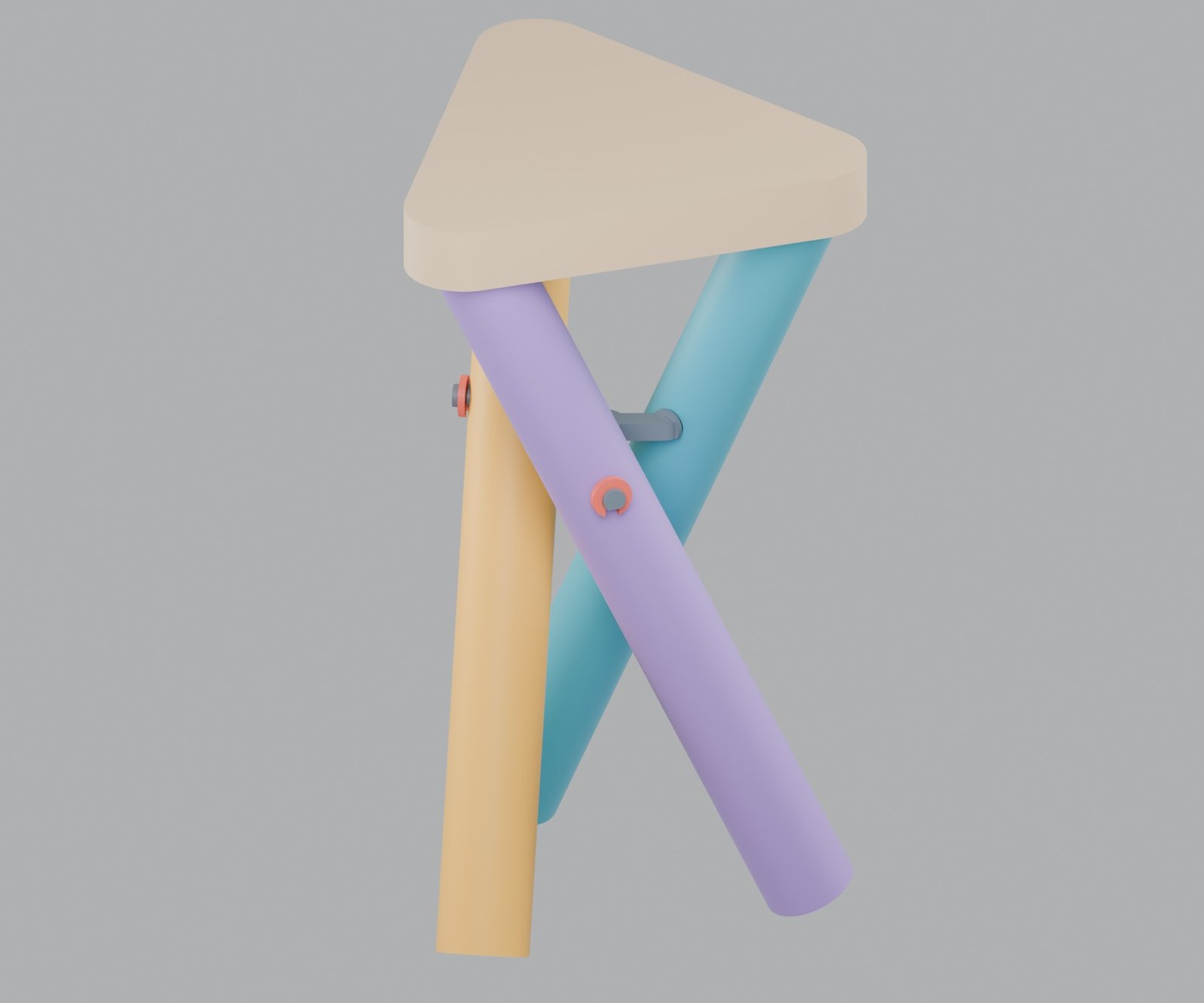
A simple object.
A spatial problem.
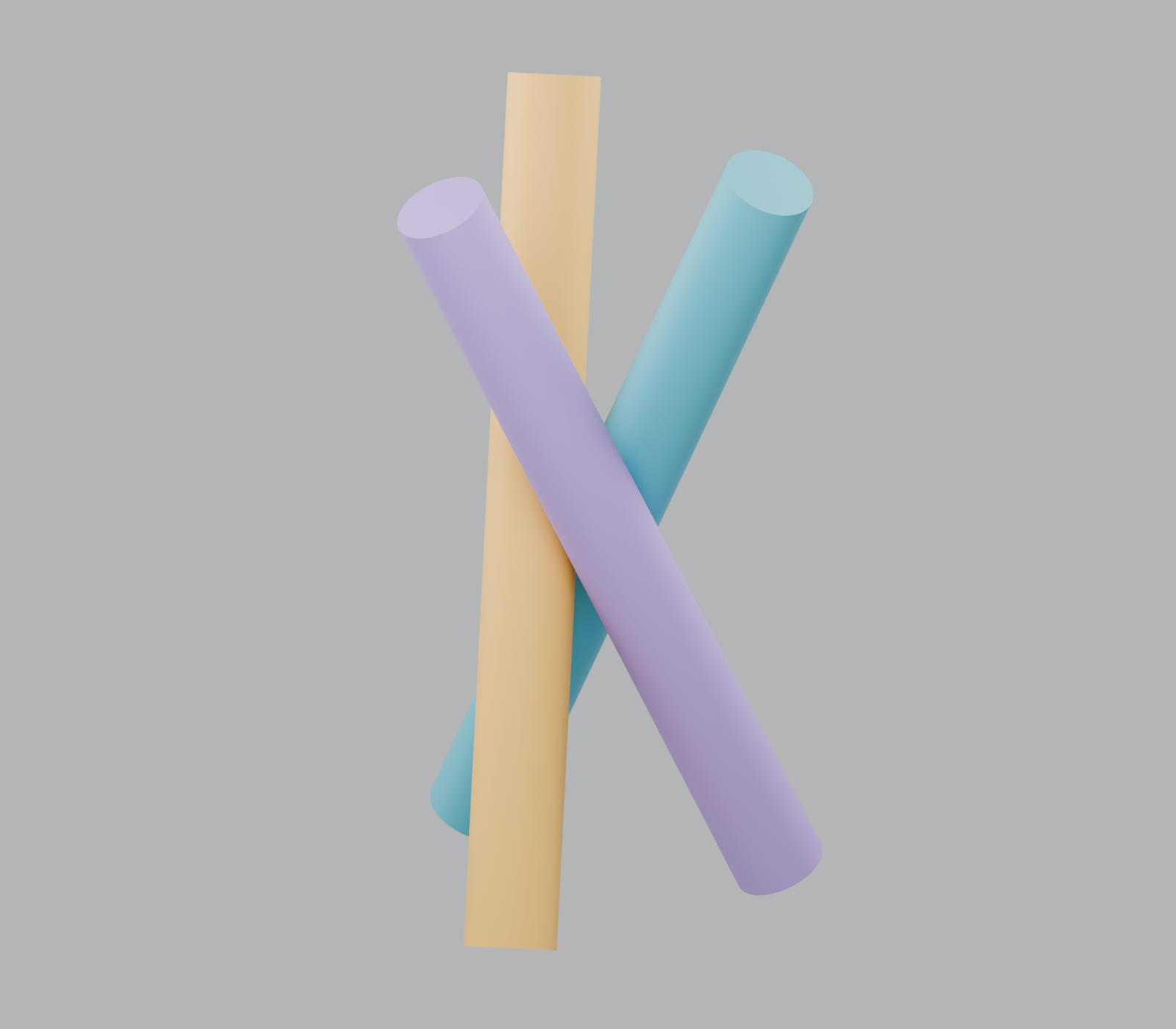
Three equal timber legs are arranged around one another. Their lateral offset matters as much as their angle: the study explores how to bring the pieces together without forcing them through the same point.
Change the angle.
See what moves.
Rotate the model, switch between views and adjust the leg angle and clearance. The assembly sequence lets you follow the third leg as it slides into place.
This first viewer studies leg geometry and assembly. The folding scale model below uses a different pivot offset so each leg can rotate independently.
From geometry
to a mechanism.
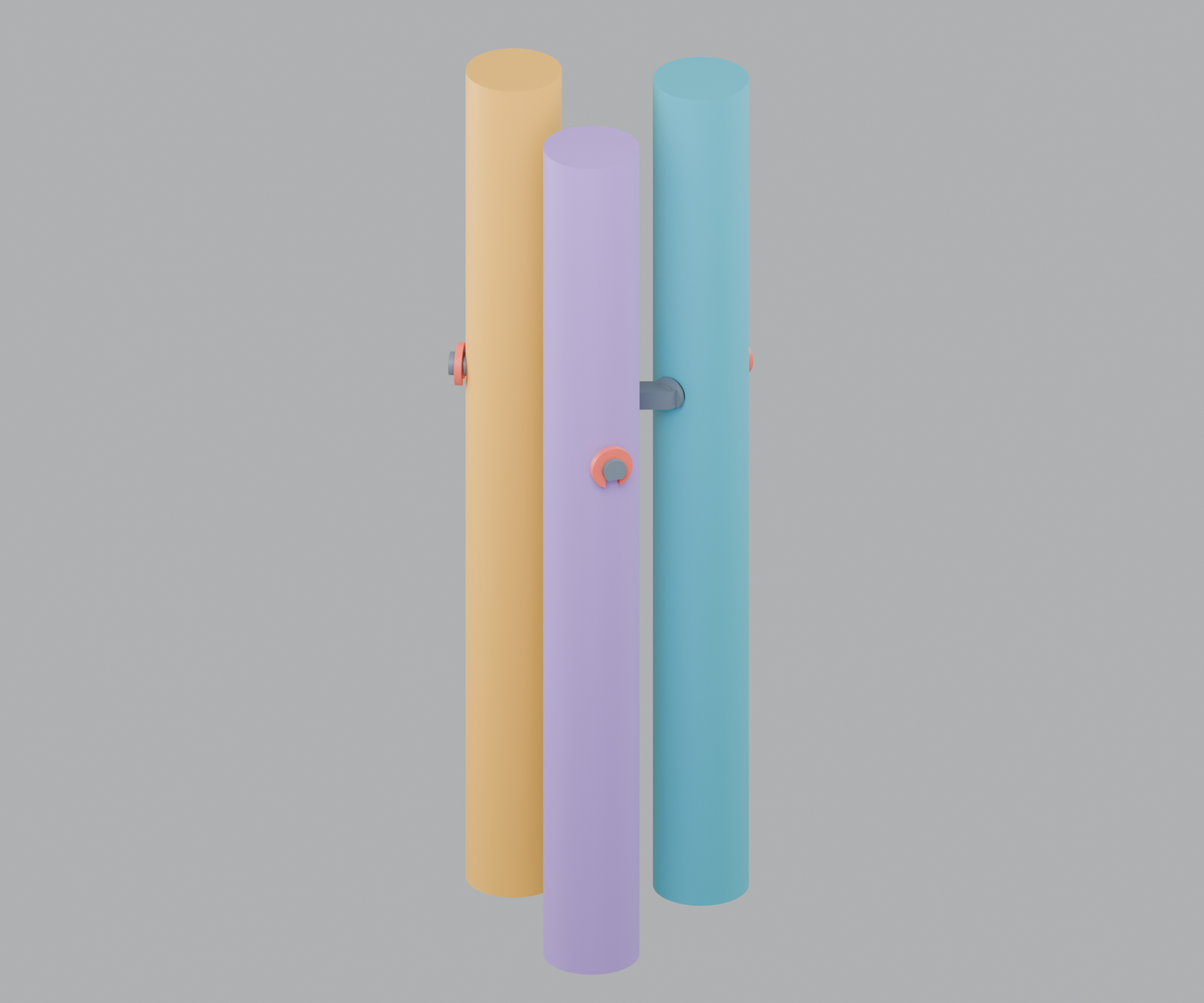
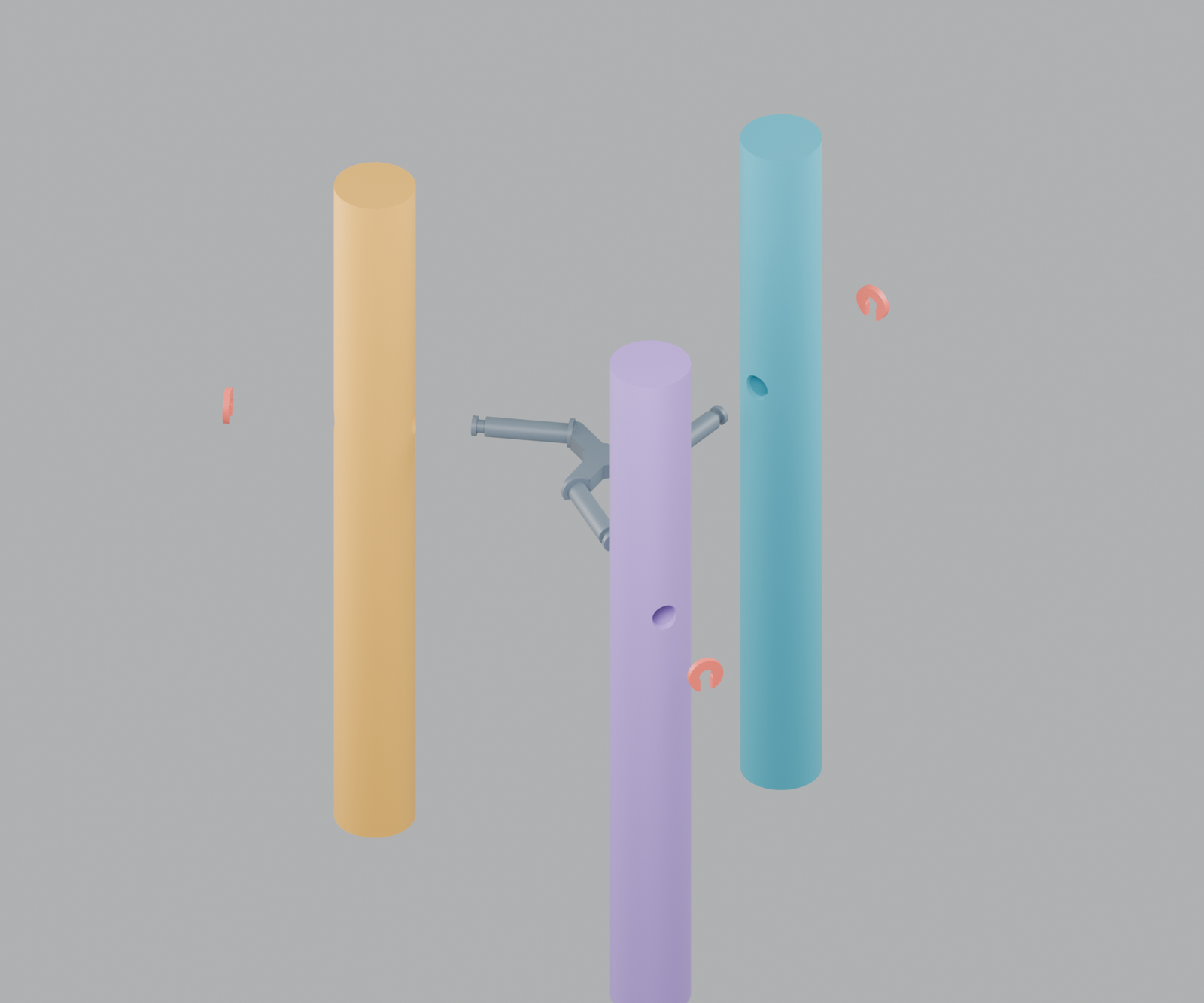
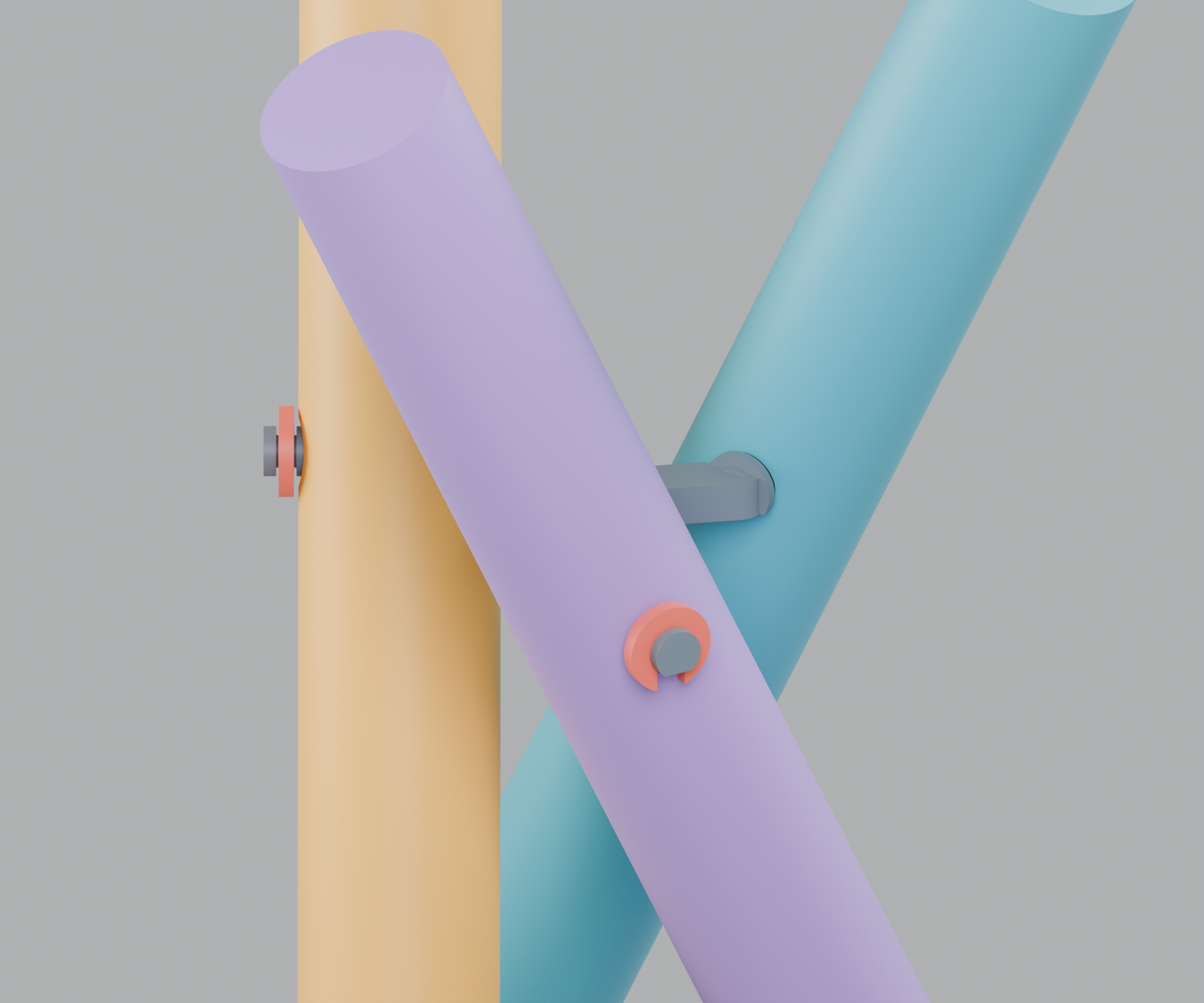
The 150 mm model explores a central connector, individual pivoting legs and retaining clips. A removable tray sits on top; it is lifted off before the legs fold.
Every part,
in your hands.
Select a component to inspect it in 3D. Rotate it, check its dimensions and download its STL. The print package includes the legs, connector, tray, clips and calibration samples.
Material, pattern
and detail.
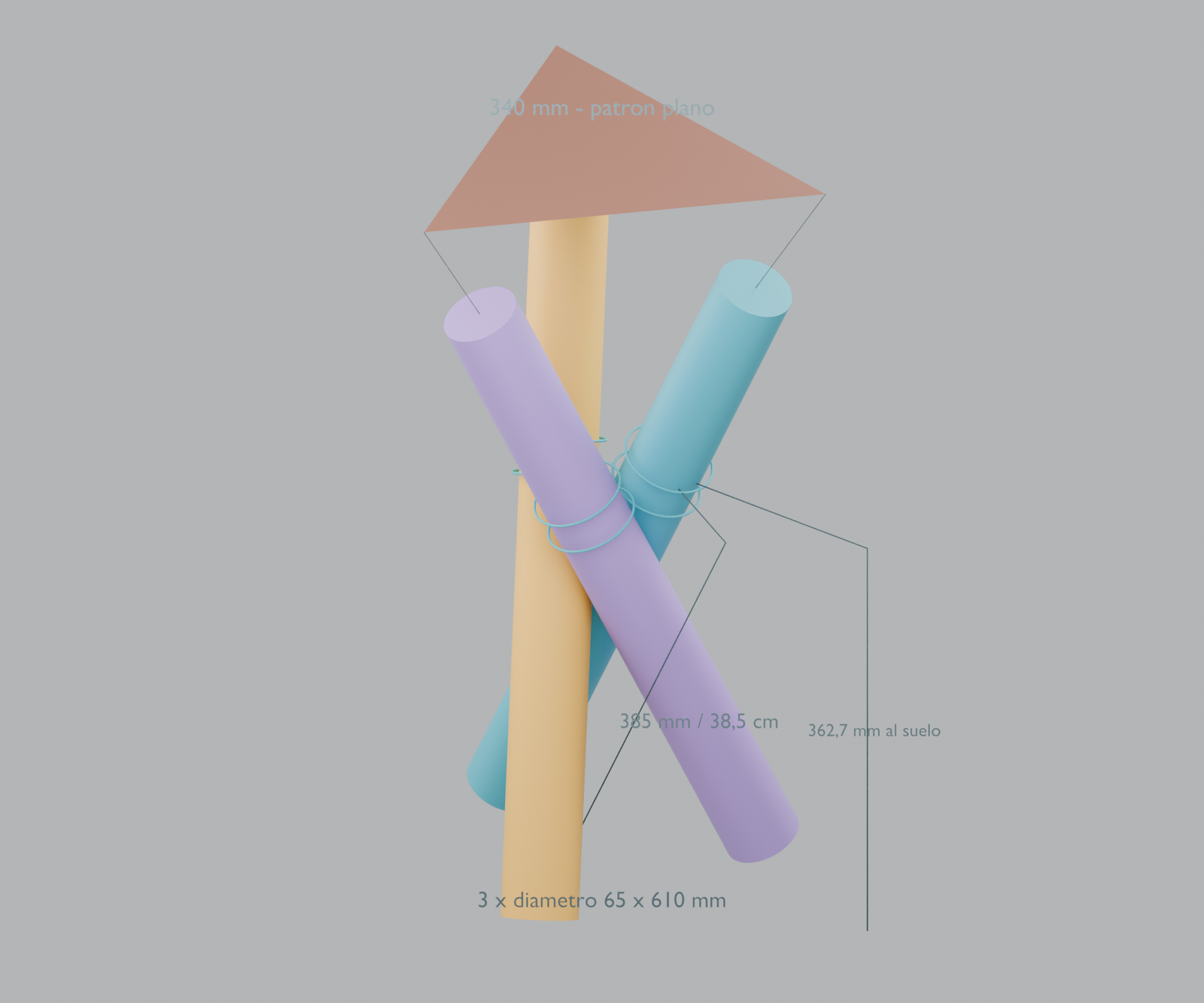
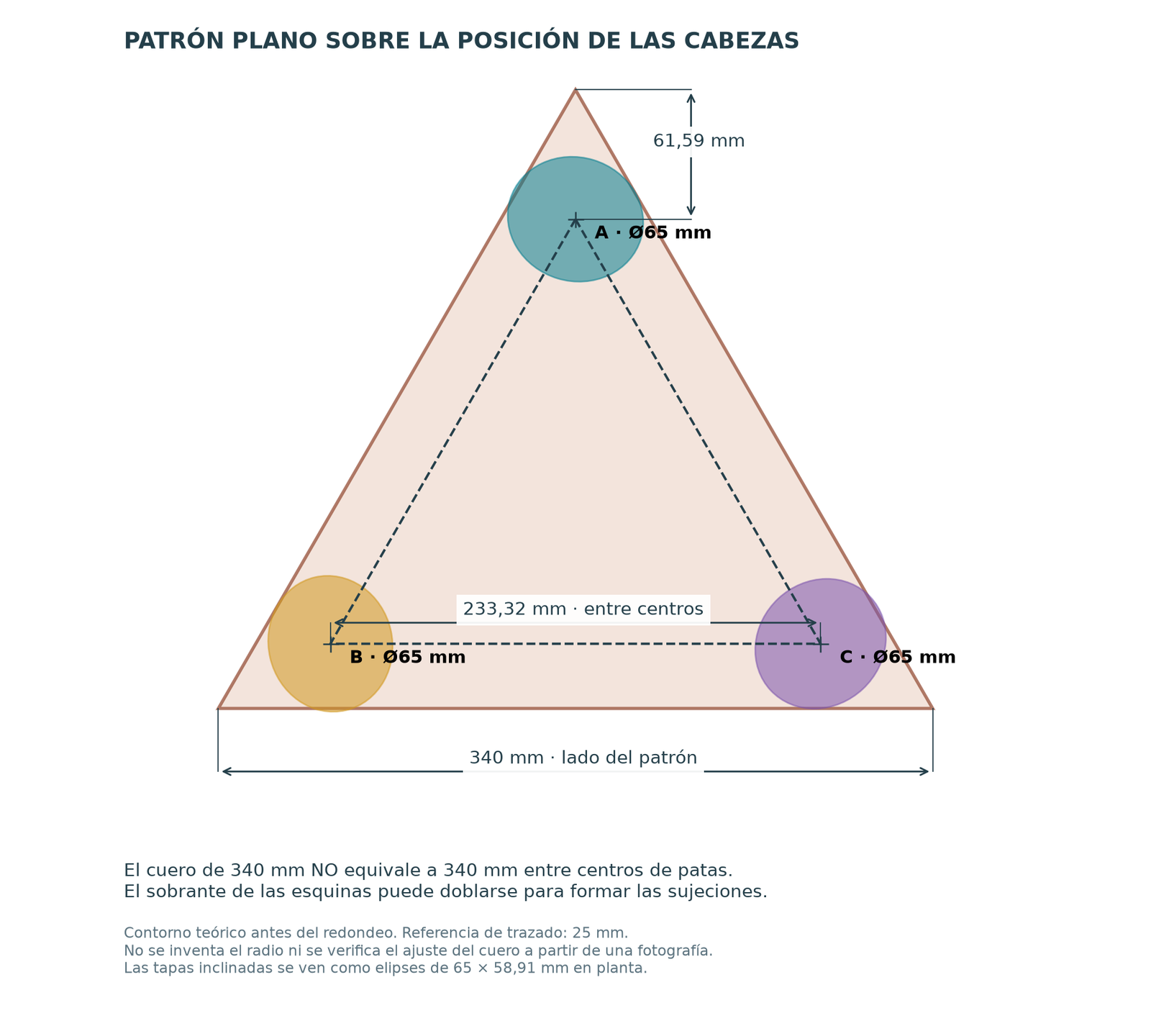
A 340 mm triangular leather-seat reference and full-size connector drawings sit alongside the geometric work. These are development studies: the leather fixing, material thicknesses and structural performance remain to be resolved and tested.
Explore the files.
The digital studies, printable components and drawings are available here as part of the design process.
Blender · 3 digital studies
Models
All Blender modelsFull-size leg geometry · BLENDLeather-seat study · BLENDAnimated 150 mm mechanism · BLENDSTL + 3MF · 150 mm scale