

ITCD · ETSIT-UPM · Philippines · 2018
Energy and water in Higatangan
A rural electrification and water-access concept for Higatangan Island, developed as an engineering cooperation project: field context, demand modelling, hybrid mini-grid design, water pumping, local payment and sustainability model.
The context
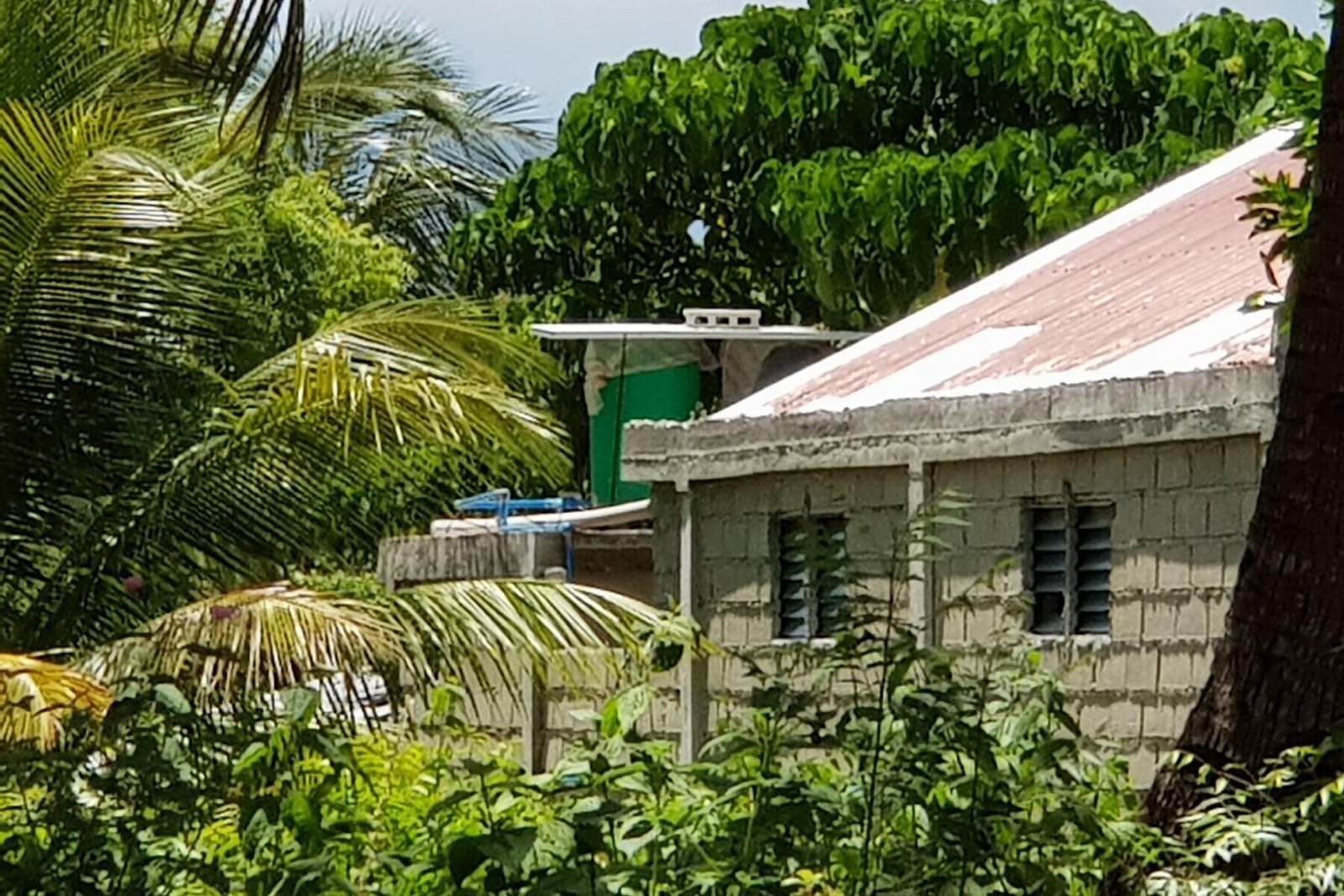
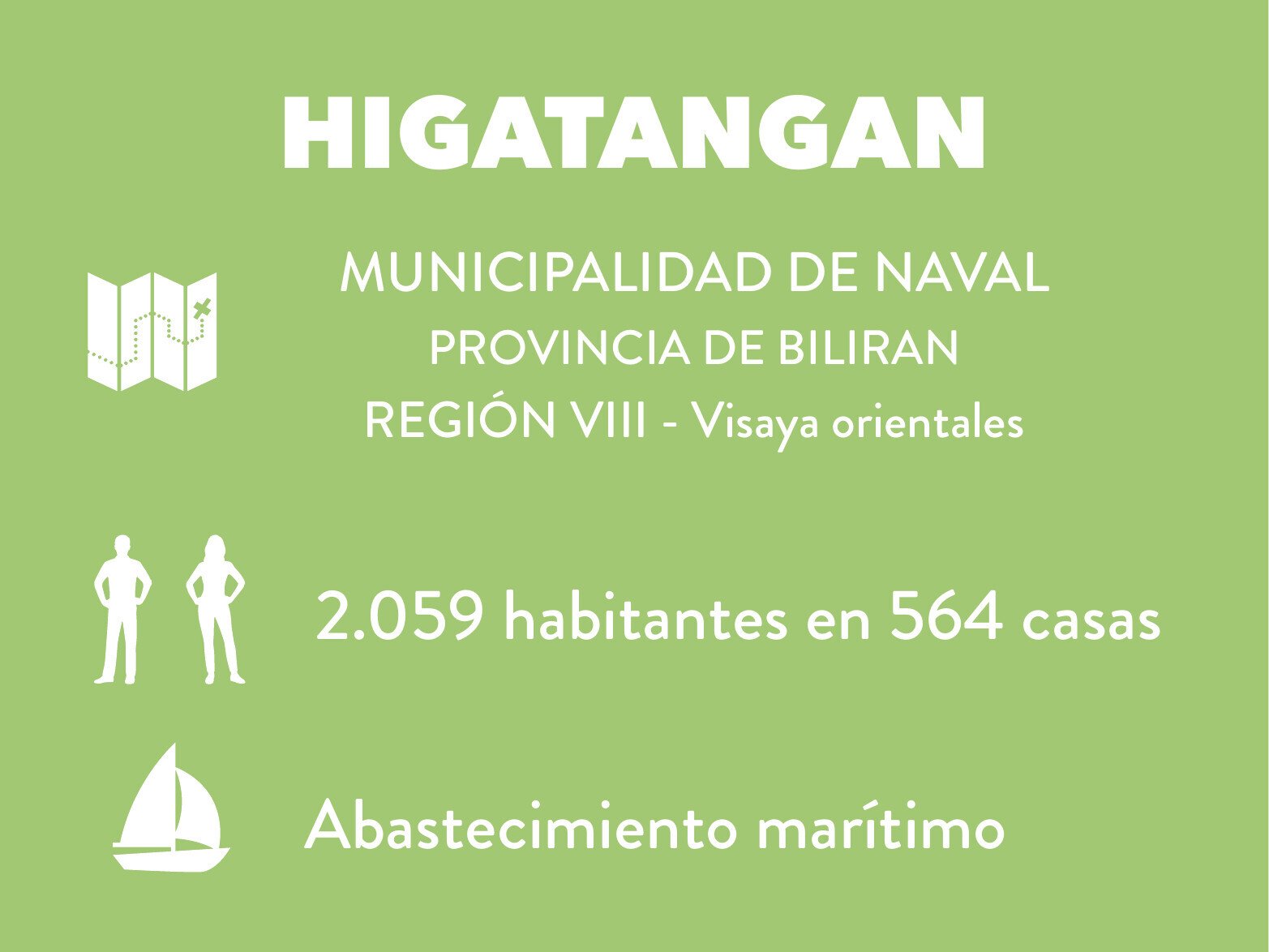
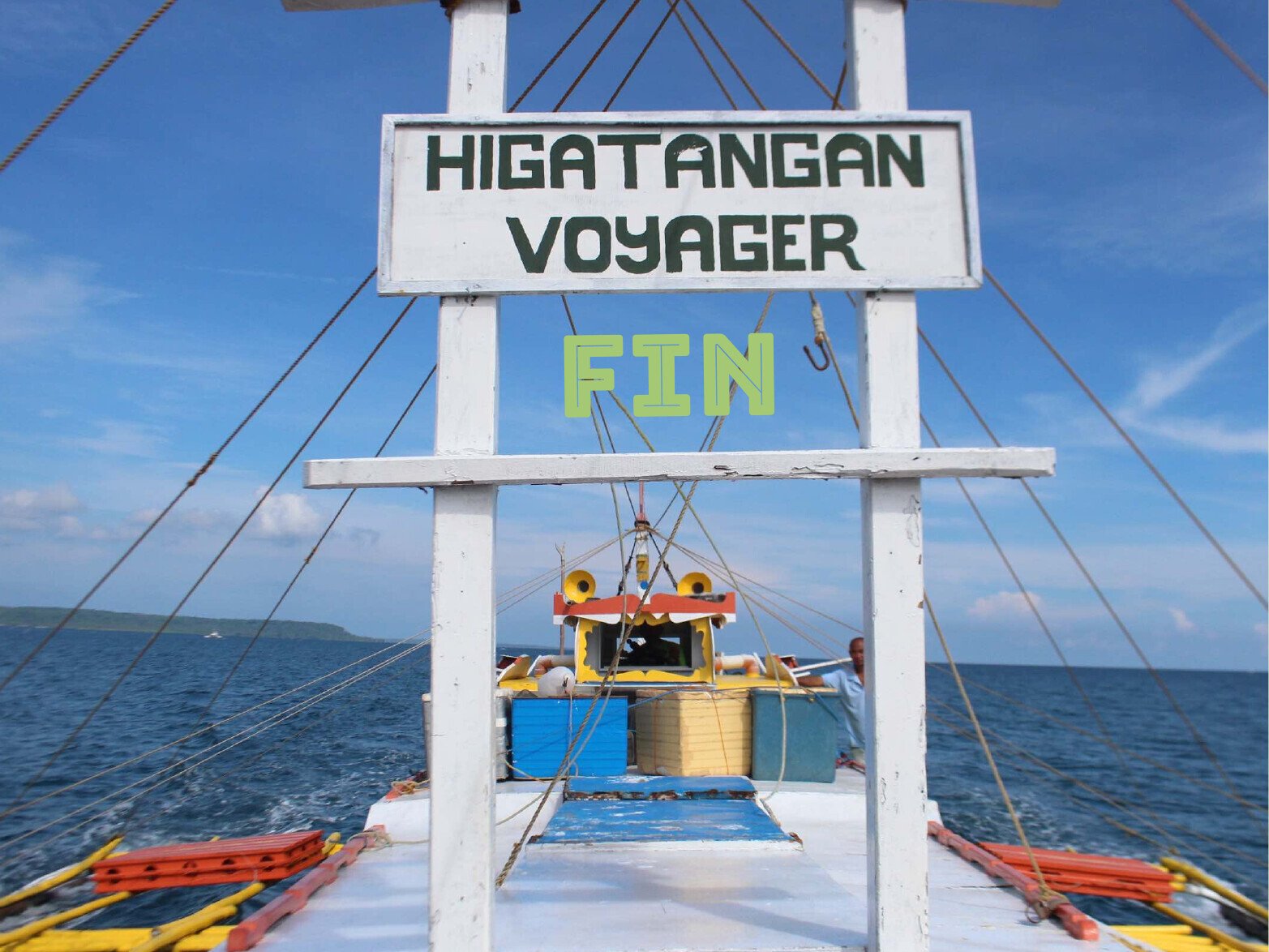
Higatangan is a small island in Naval, Biliran, in the Eastern Visayas. The starting point was a community dependent on diesel generation and maritime supply chains for bottled drinking water.
The problem
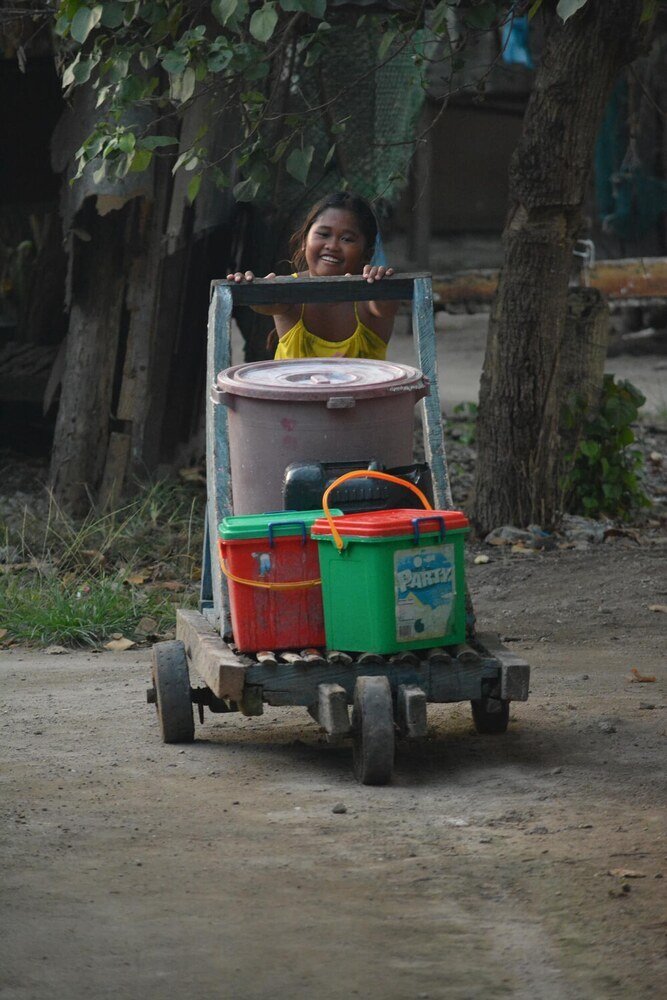
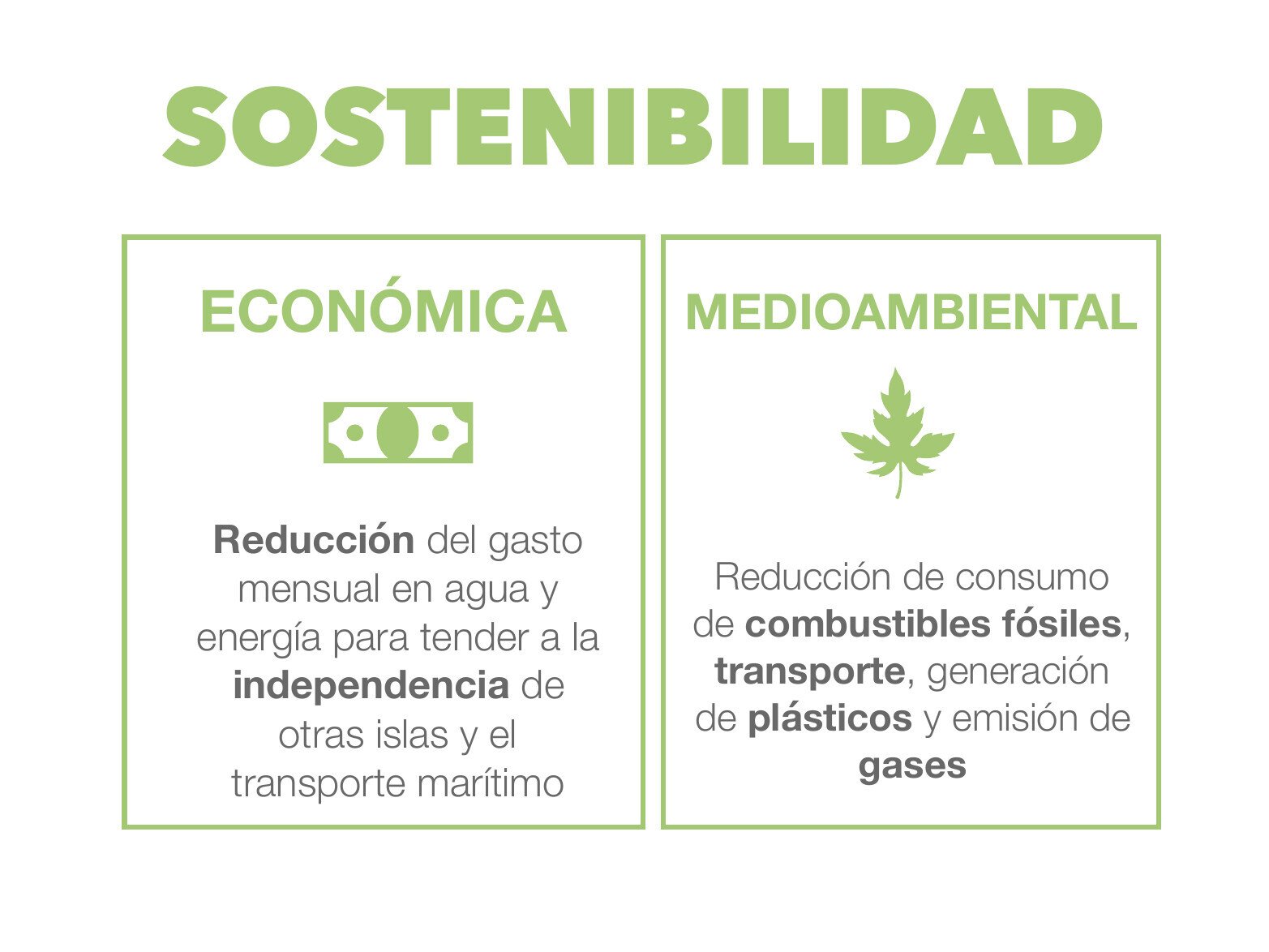
The project modelled an unreliable and expensive basic infrastructure: electricity from fossil fuel, water brought from other islands and a fragile dependency on transport by boat.
My role
I worked on the research, systems proposal and final presentation: turning scattered field information into a coherent engineering case for rural electrification, water access and local operation.
Demand model
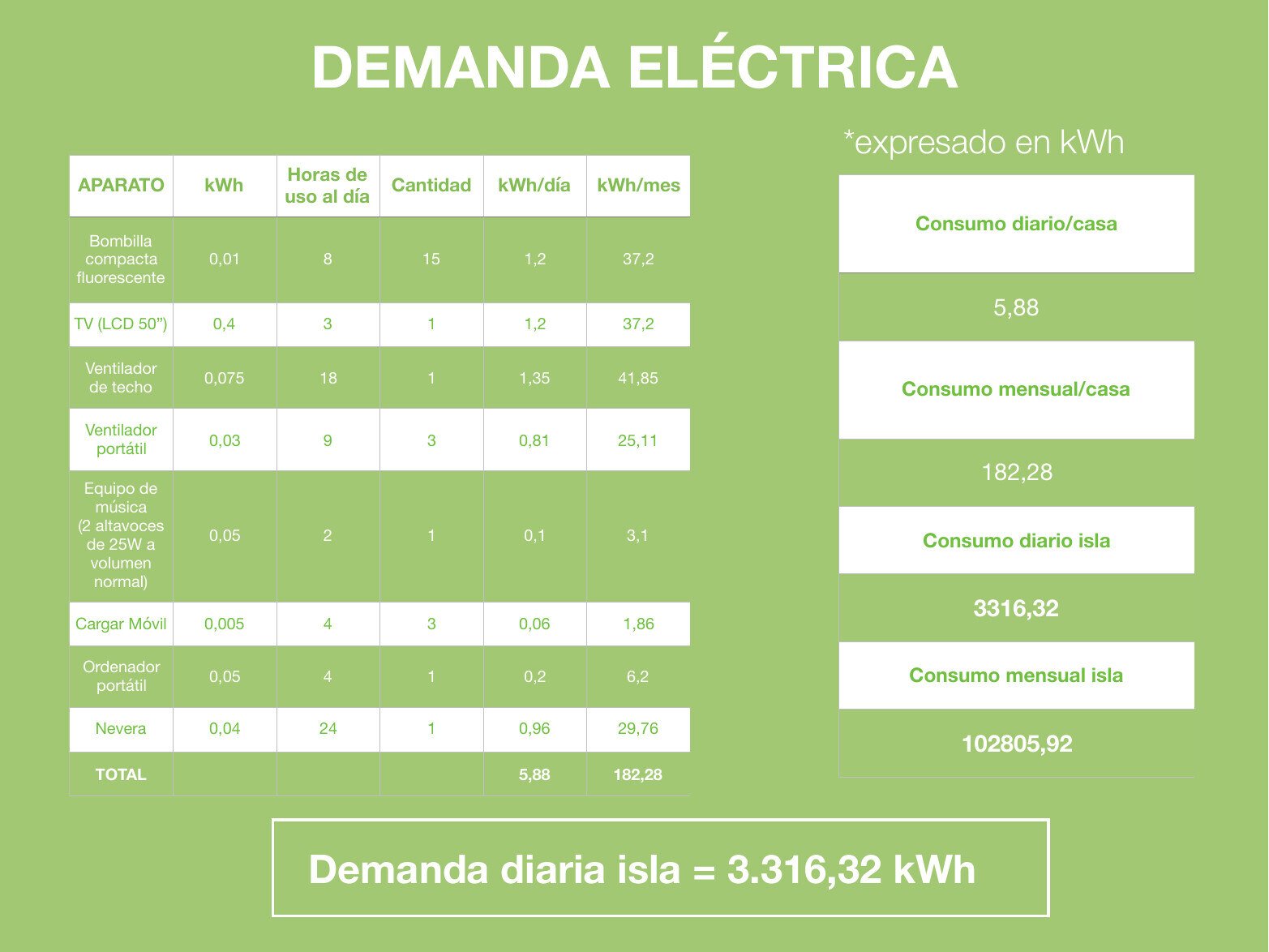
The report estimated household electricity needs appliance by appliance and combined them with island population data, family income and current energy/water costs.
Hybrid system
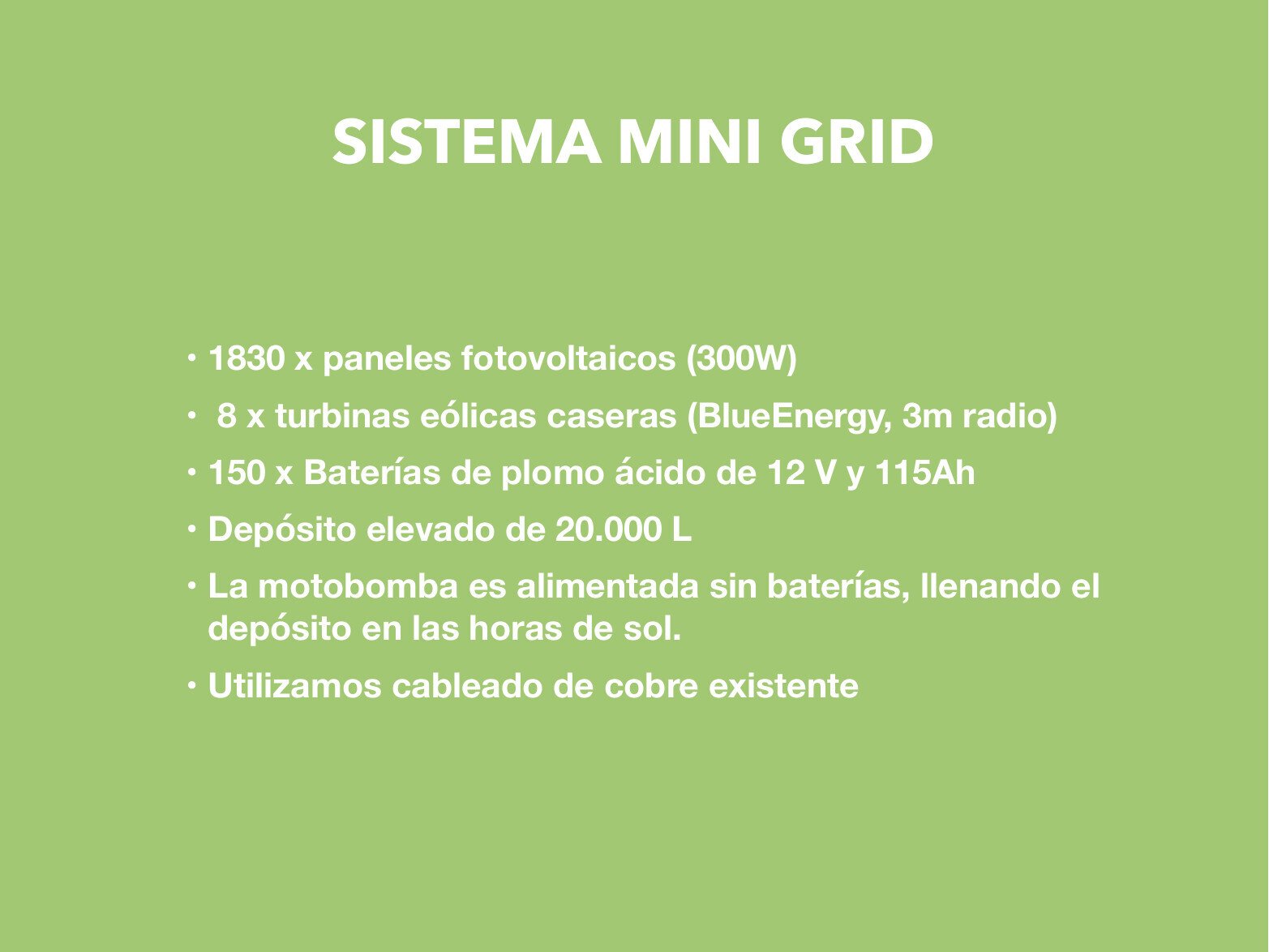
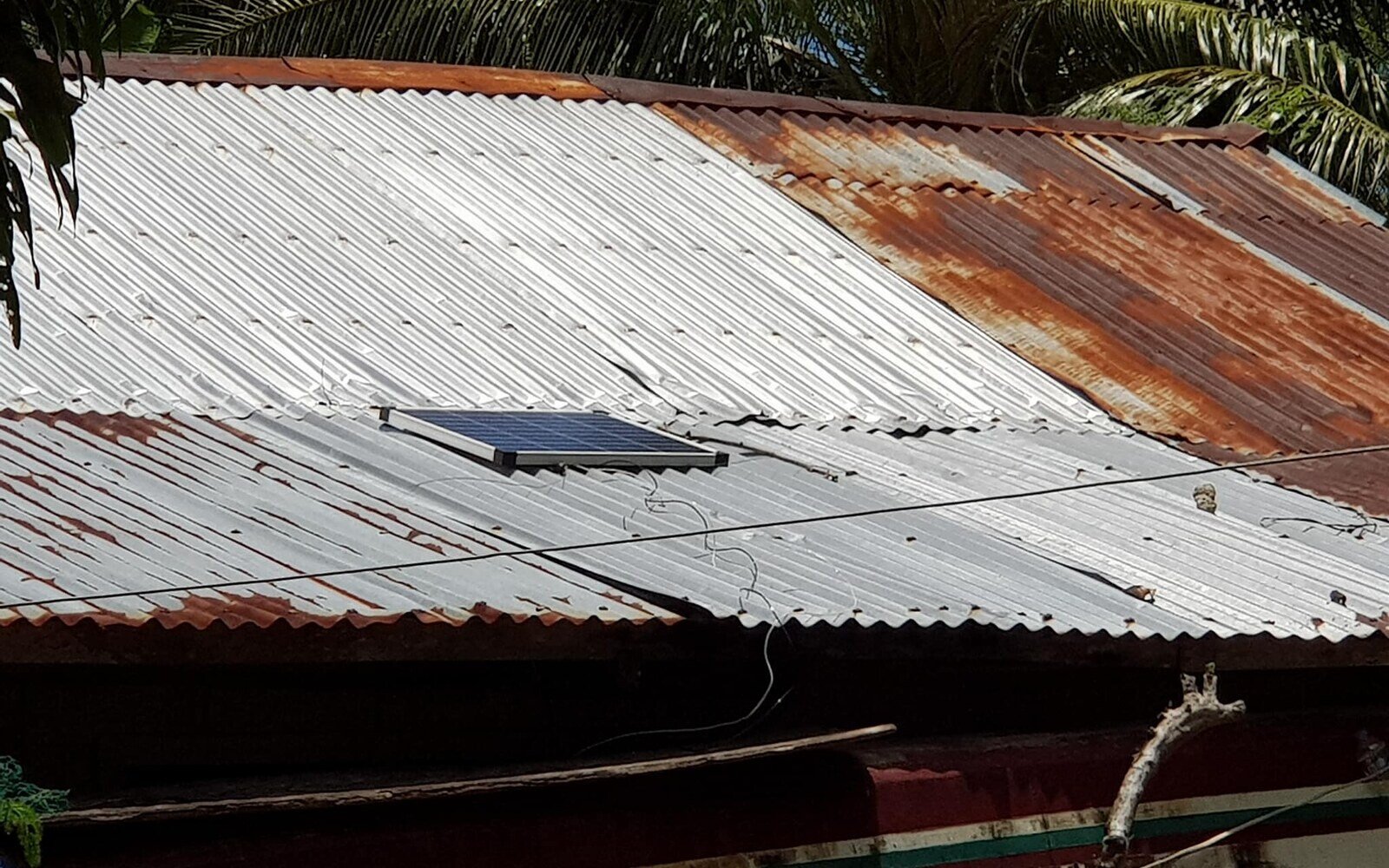
The proposal combined photovoltaic generation, small wind turbines, battery storage and the existing electrical distribution, keeping diesel as backup for irregular operation.
Water access
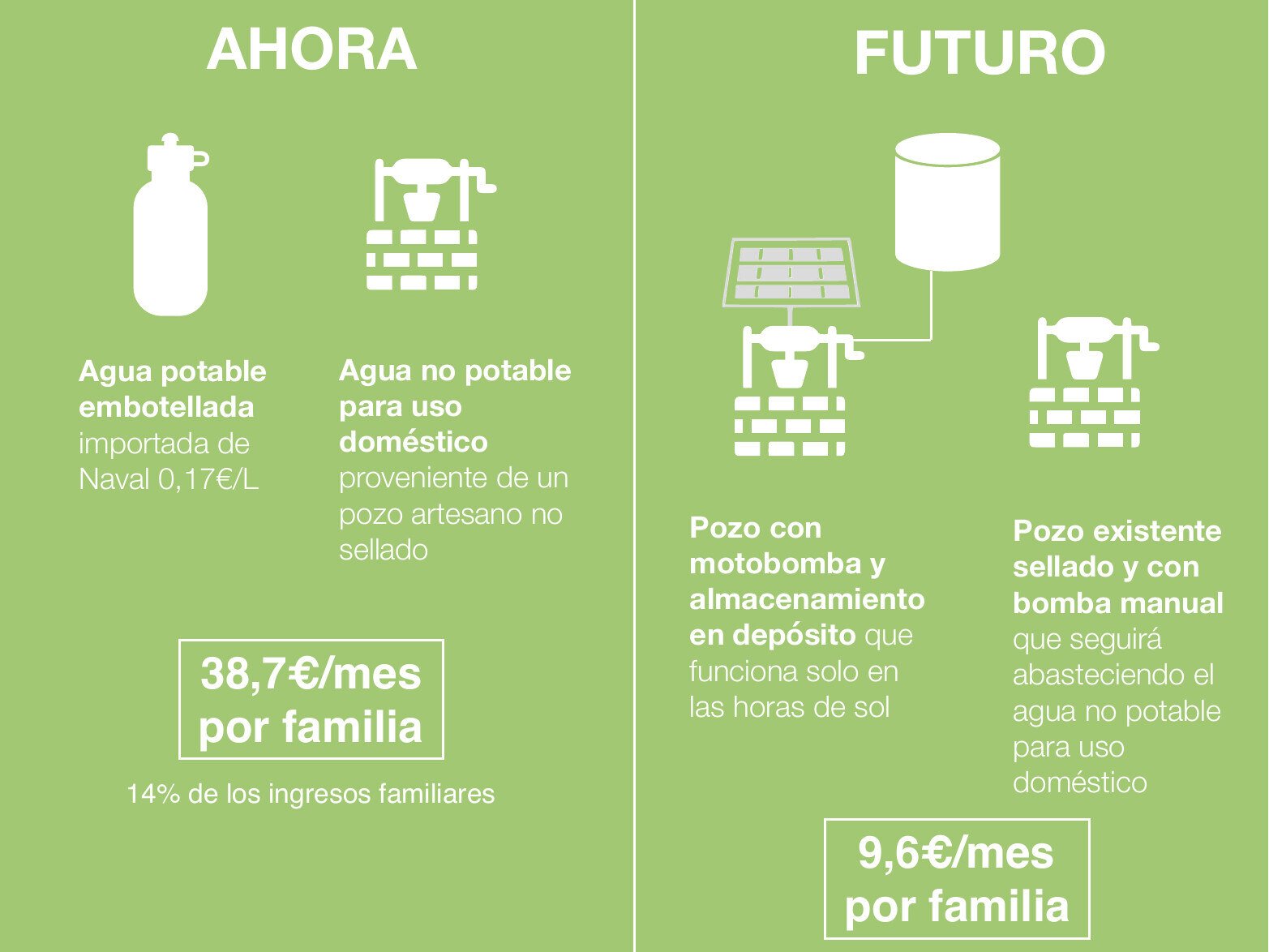
Instead of treating water as a separate issue, the project linked energy to pumping and storage: a 20,000 L elevated tank, well access and local distribution built around existing habits.
Local operation
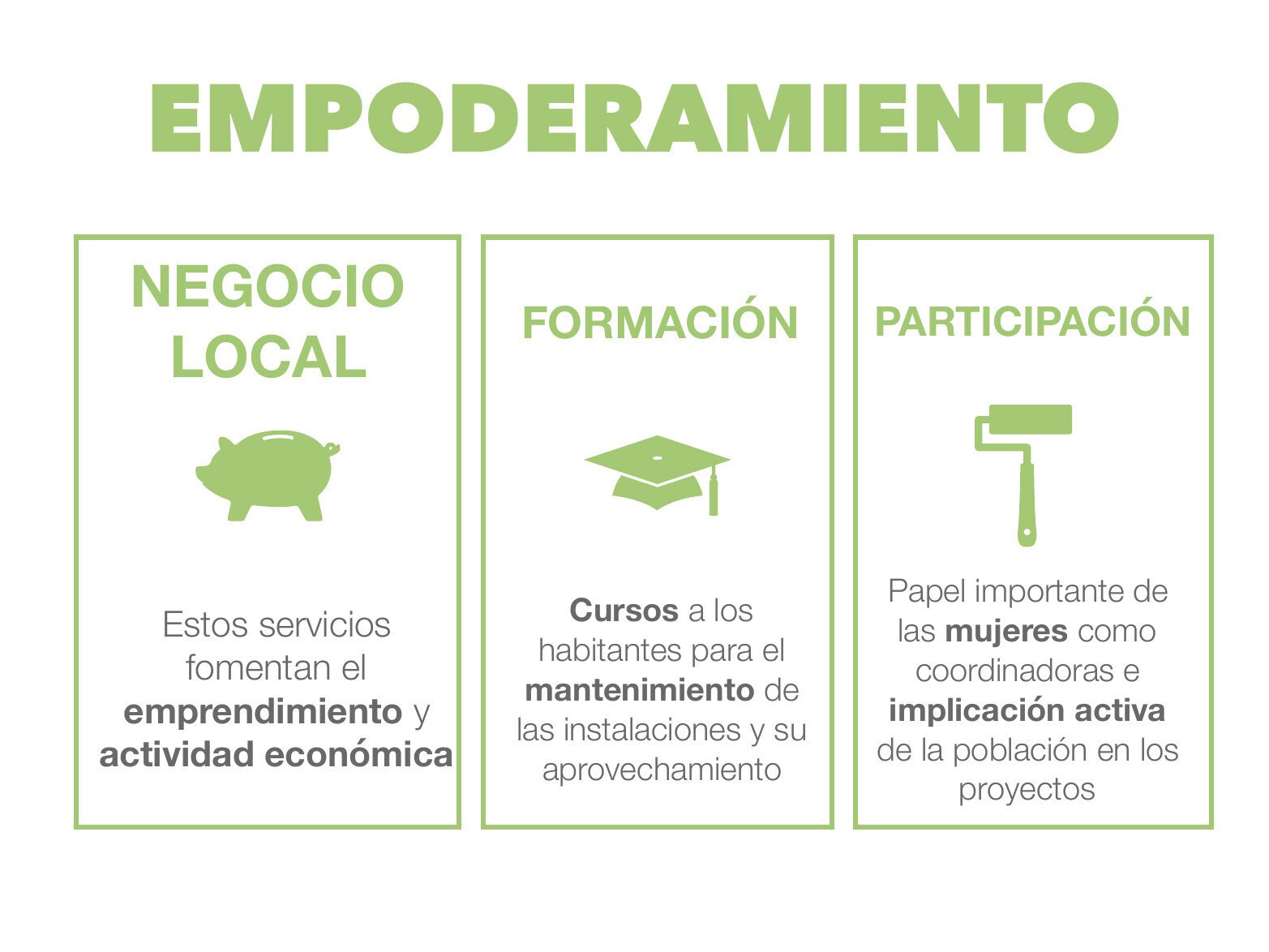
The model included training local people to operate and maintain the infrastructure, with five paid maintenance roles and explicit participation of women in coordination and implementation.
Payment model
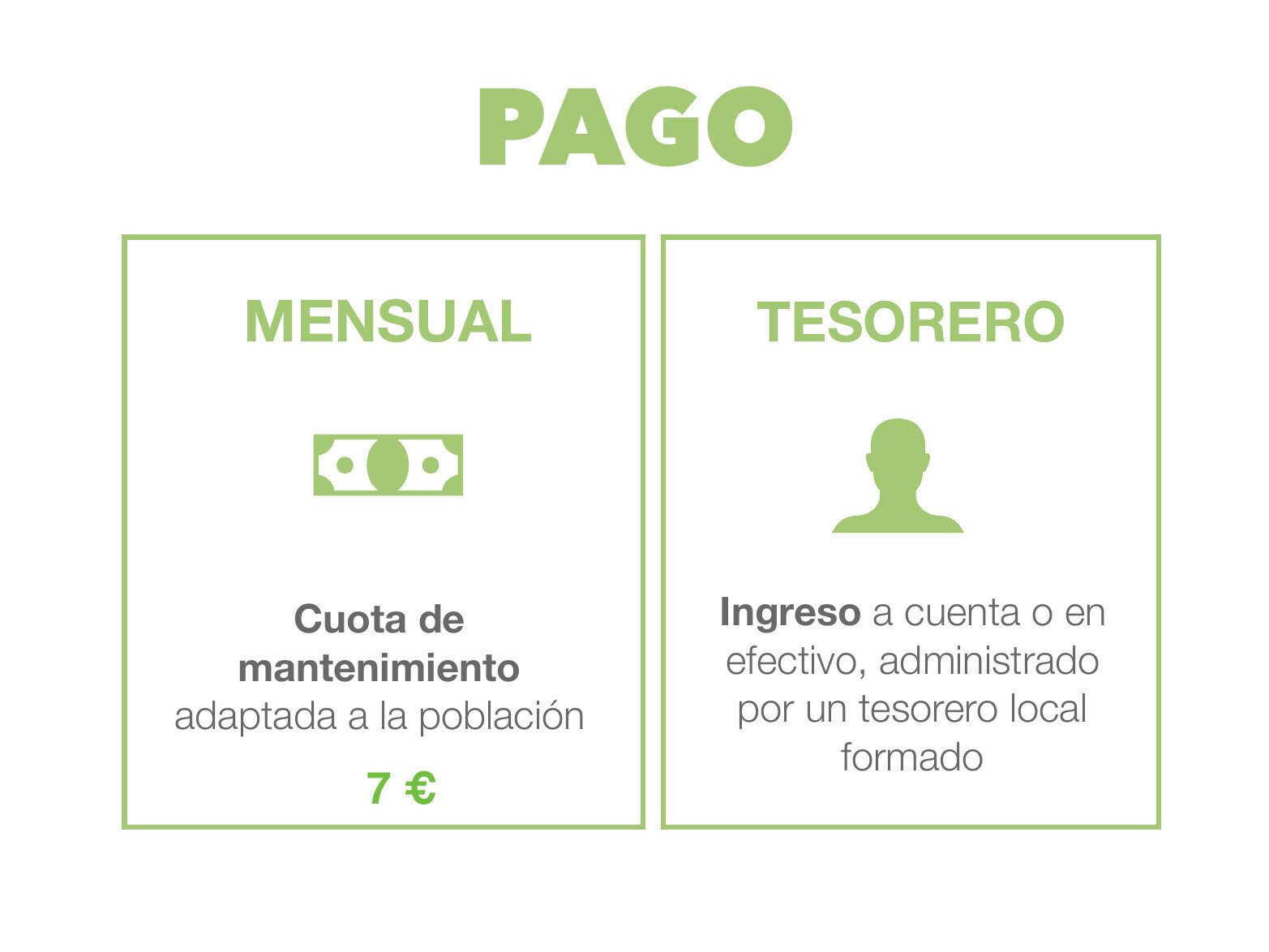
The report compared mobile payment and e-wallet options against local banking access, then proposed a mixed payment model with a local treasurer for families without bank accounts.
Economic logic
The projection compared current family spending on diesel and bottled water with a two-year repayment model, then reduced long-term family cost to maintenance and repair funds.
Source material found in the local Teleco and iCloud archives: ITCD – Presentacion FINAL.pdf, ITCD_Proyecto_Final.pdf, the rural electrification draft document, field photos and supporting spreadsheets. This portfolio version summarizes the work and keeps the technical and social design narrative visible without publishing the full archive.