

Industrial design · Fusion 360 · Molded plywood
Agora Chair
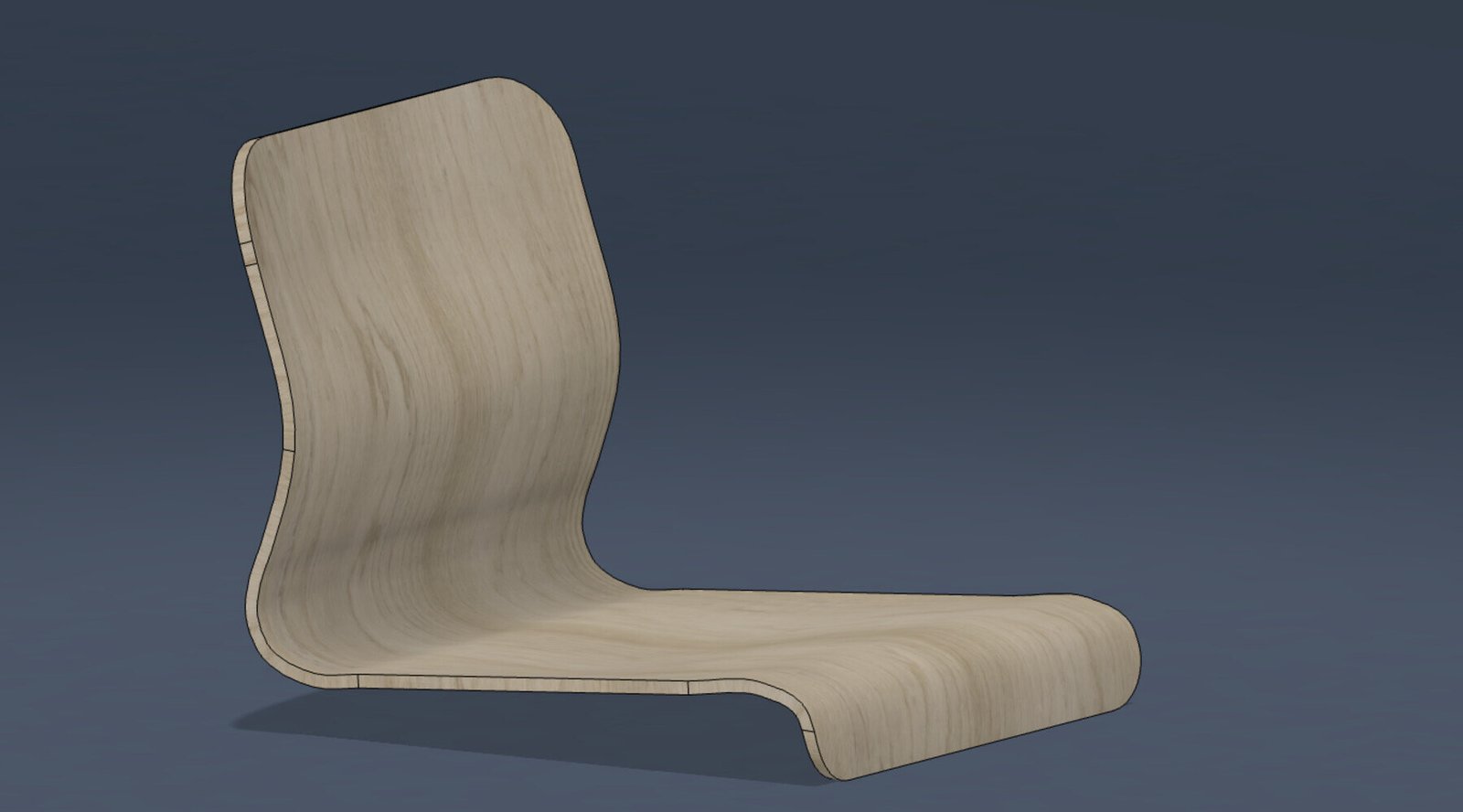
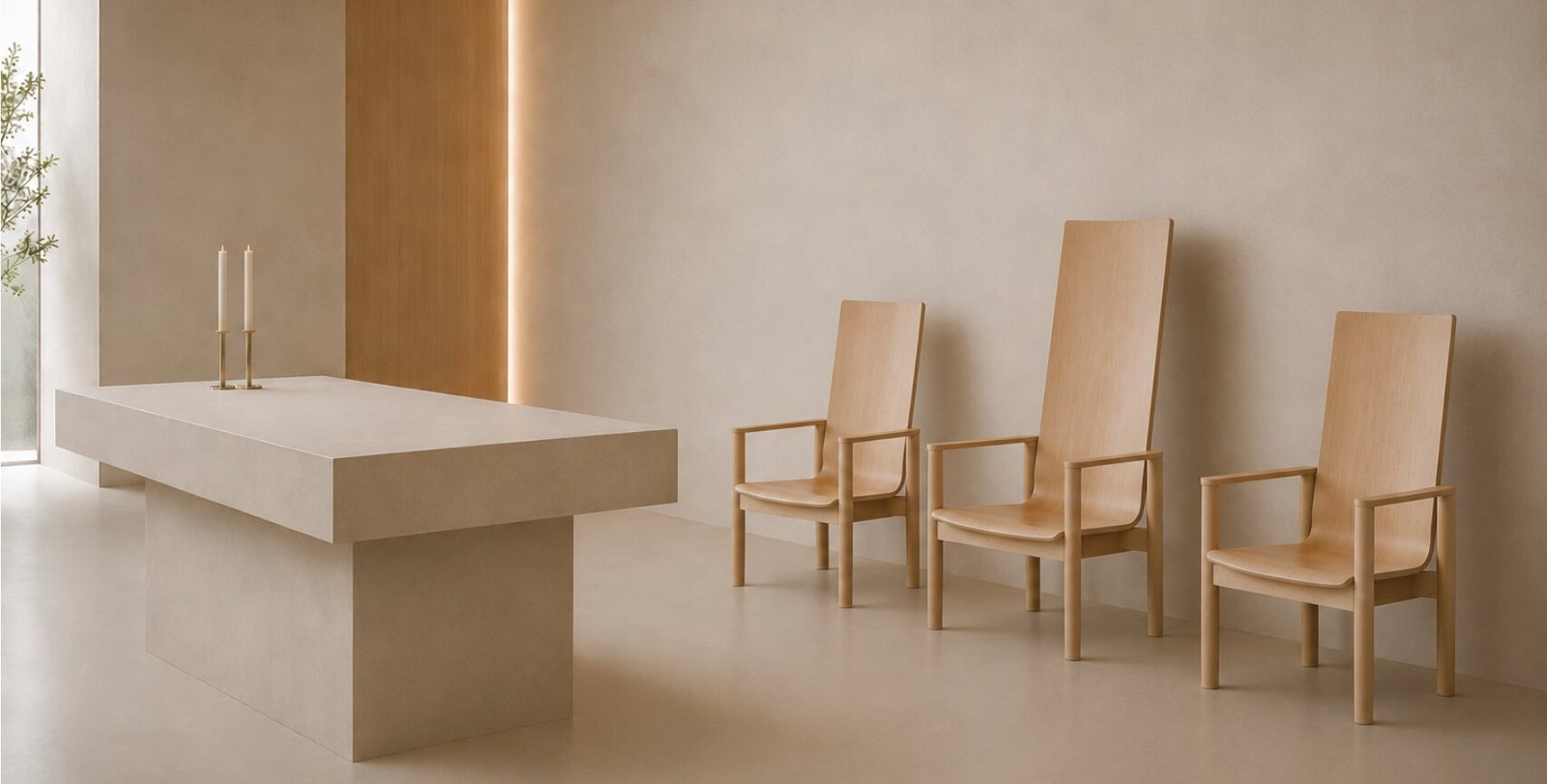
A low monocoque plywood shell designed as an integrated response to Espacio Agora: a warmer, more comfortable way to sit on the stepped architecture while listening, learning and sharing time together.
Designed from the room
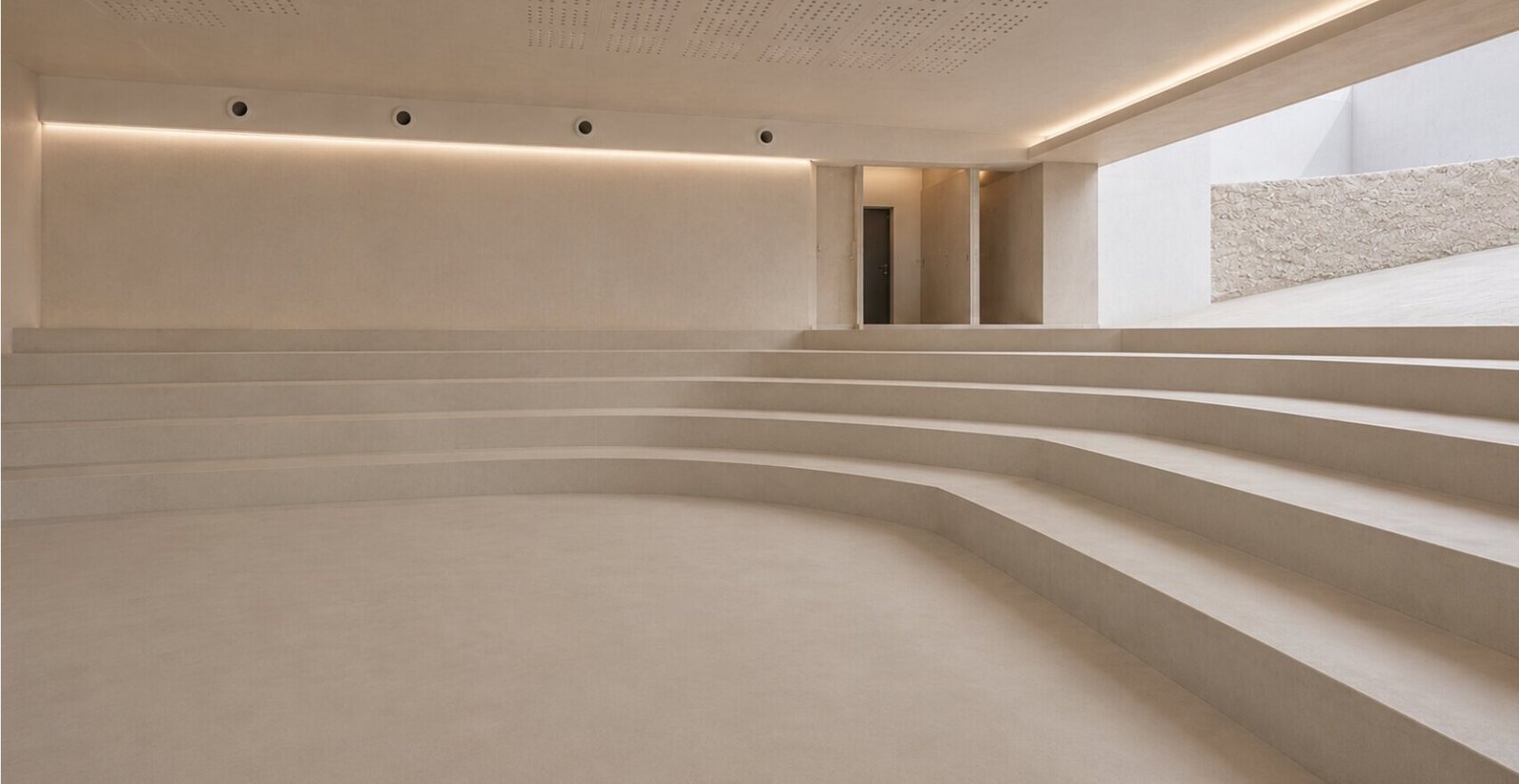
The chair started with the architecture already there. Espacio Agora has a stepped listening area, so the object had to feel like part of the space instead of a separate chair dropped on top of it.
What it solves
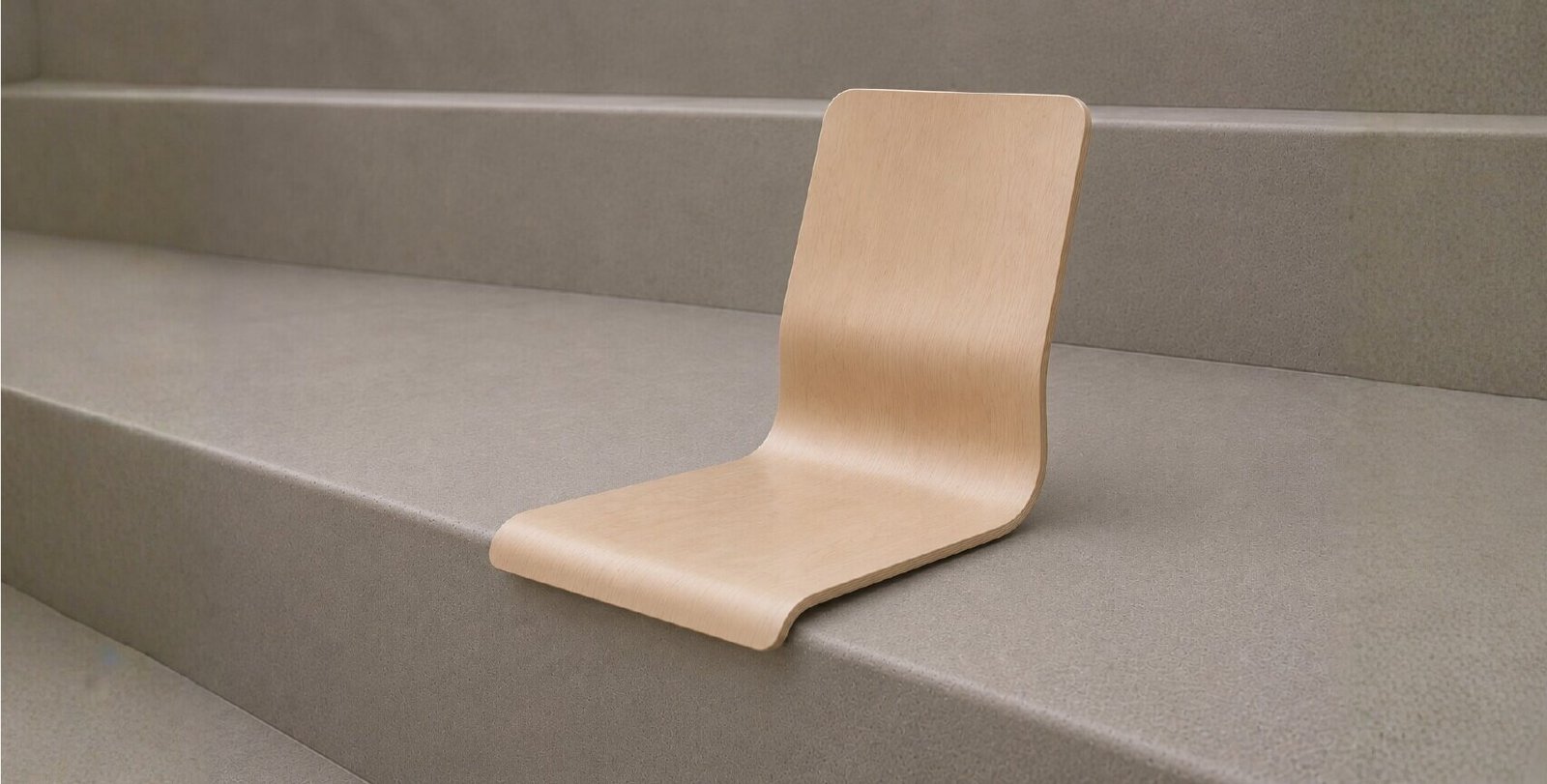
The proposal brings a warmer material, a clearer personal sitting place and a more comfortable posture to a room made for long listening sessions. It keeps the low relationship with the steps, while giving the body a shaped backrest and a gentle front curve.
The first presentation to the architect explored comfort, simplicity, stackability, cost, optional cushions and the way the chair could multiply across the room without visually cluttering it.
- Integrated height Low enough to belong to the stepped platforms.
- Single shell language Seat and back read as one continuous plywood surface.
- Warmer contact Wood and cushion options soften the concrete room.
- Operational use Stackability and movement were considered from the beginning.
Initial proposal
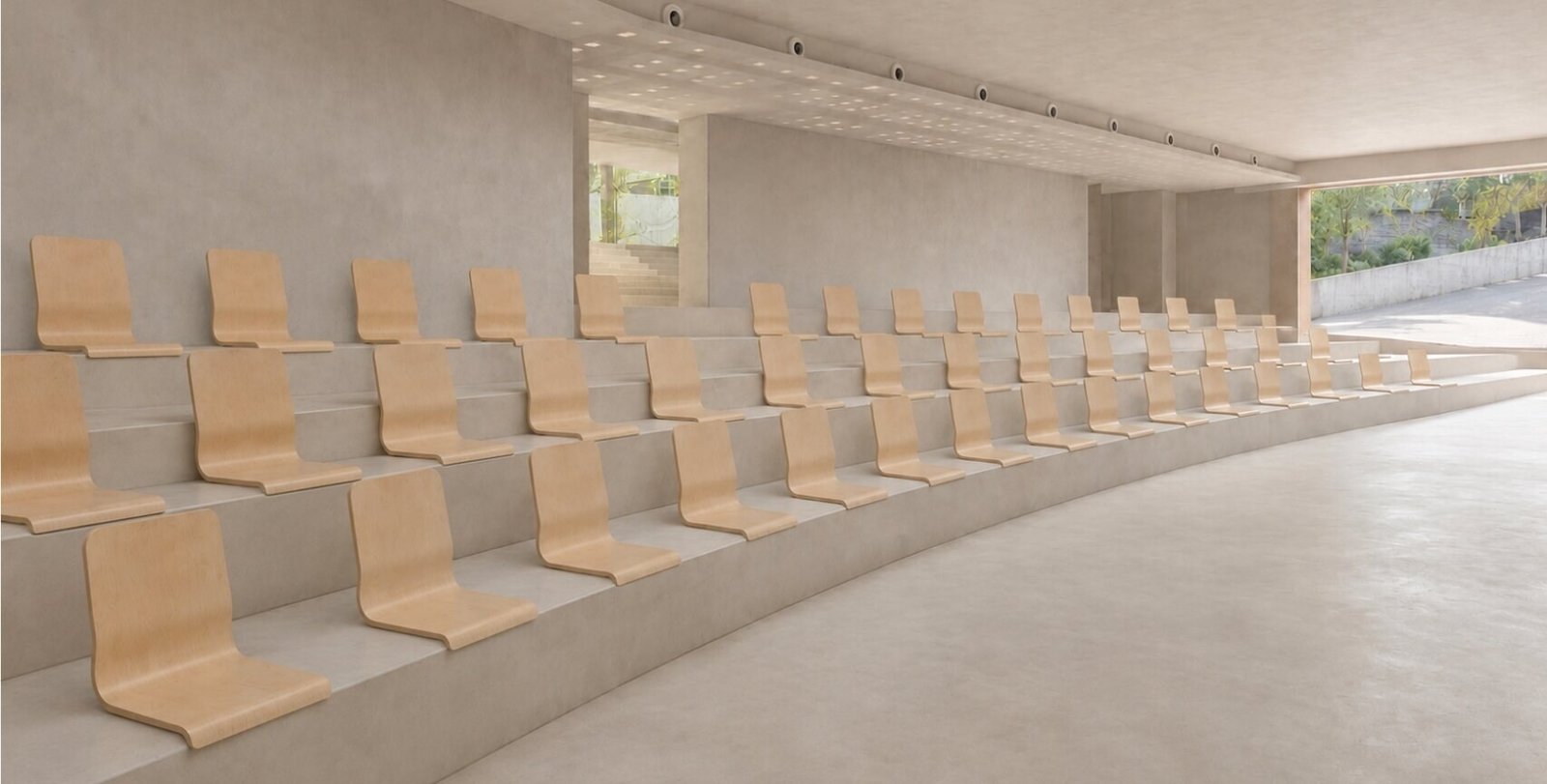
These images come from the first presentation deck: spatial integration, possible room repetition, stacking references, cushion exploration and ergonomic checks.
Room system
A repeated low shell that keeps the stepped architecture visually calm.
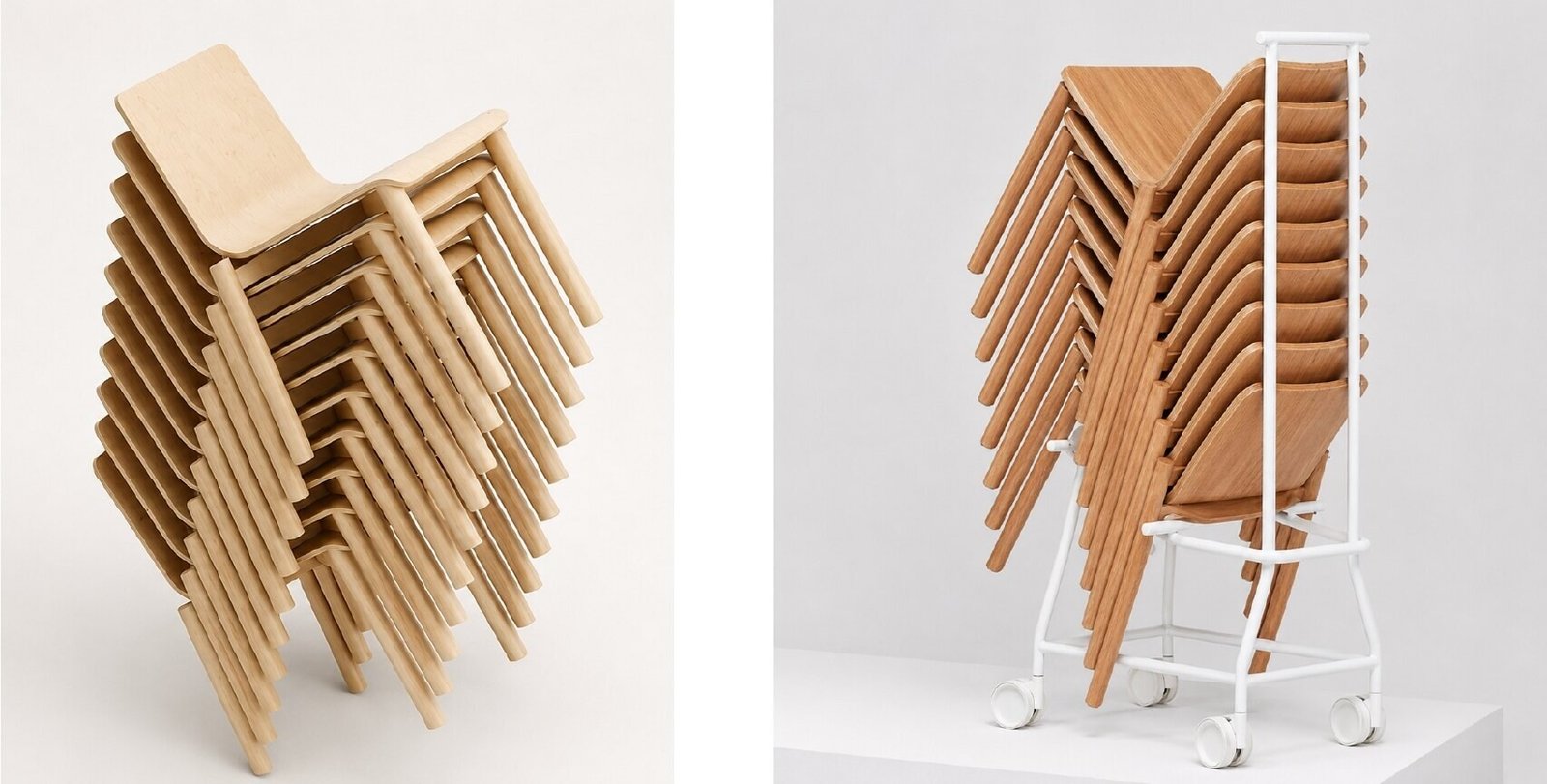
Stackability
Storage and movement were part of the object from the first sketches.
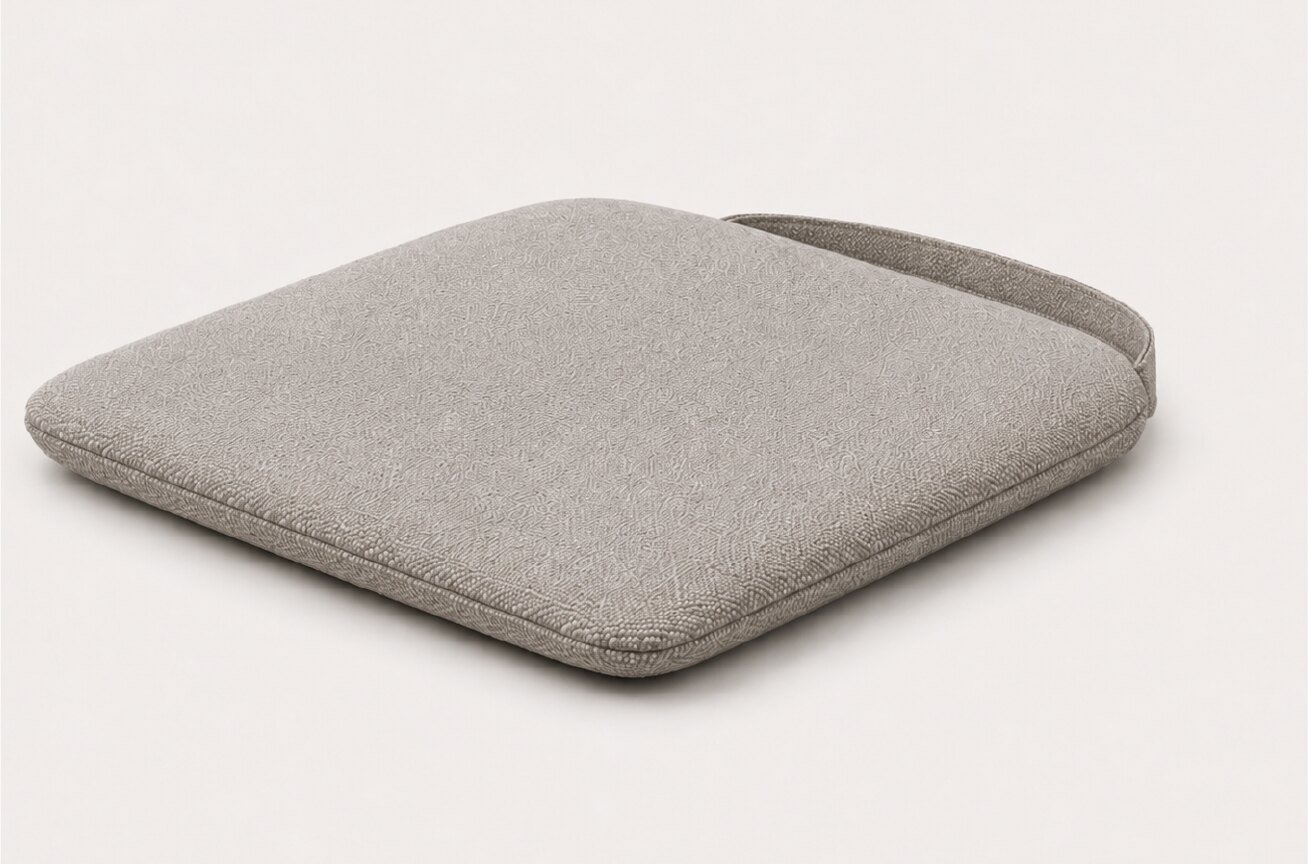
Optional cushion
A simple layer of softness for longer sessions and colder surfaces.
Fusion 360 process
From profile to shell
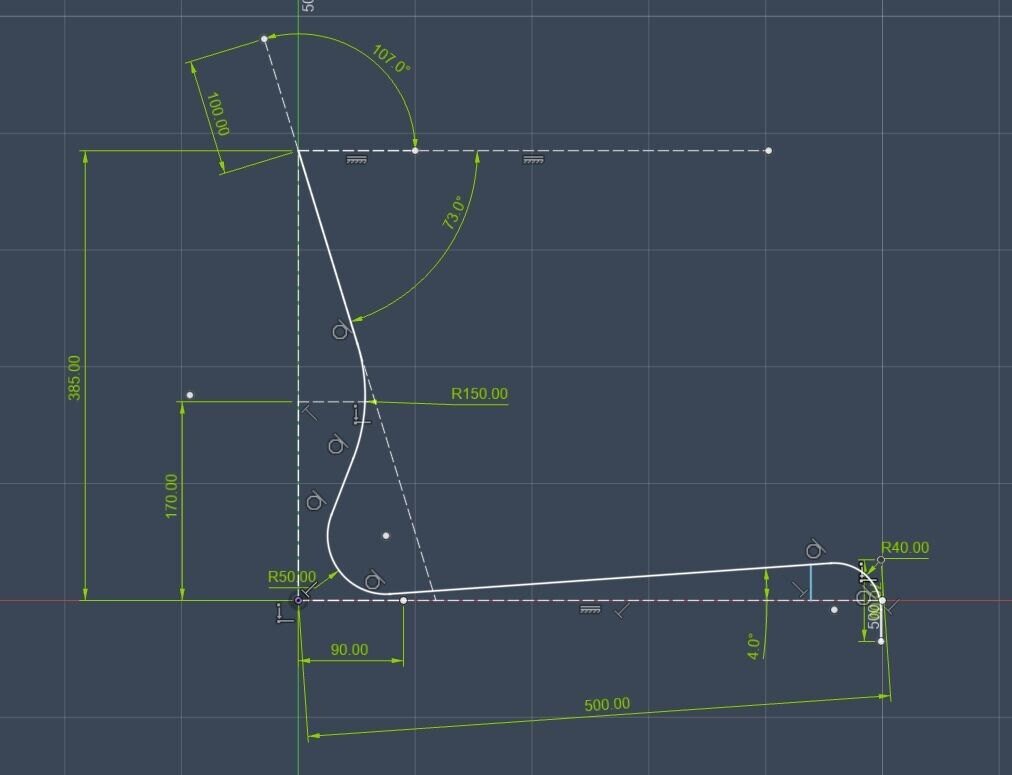
The Fusion process moved from side profile and measured posture into splines, ordered loft sections, thickening and surface review. The aim was a simple monocoque object that still felt human in section.
Open initial architect deck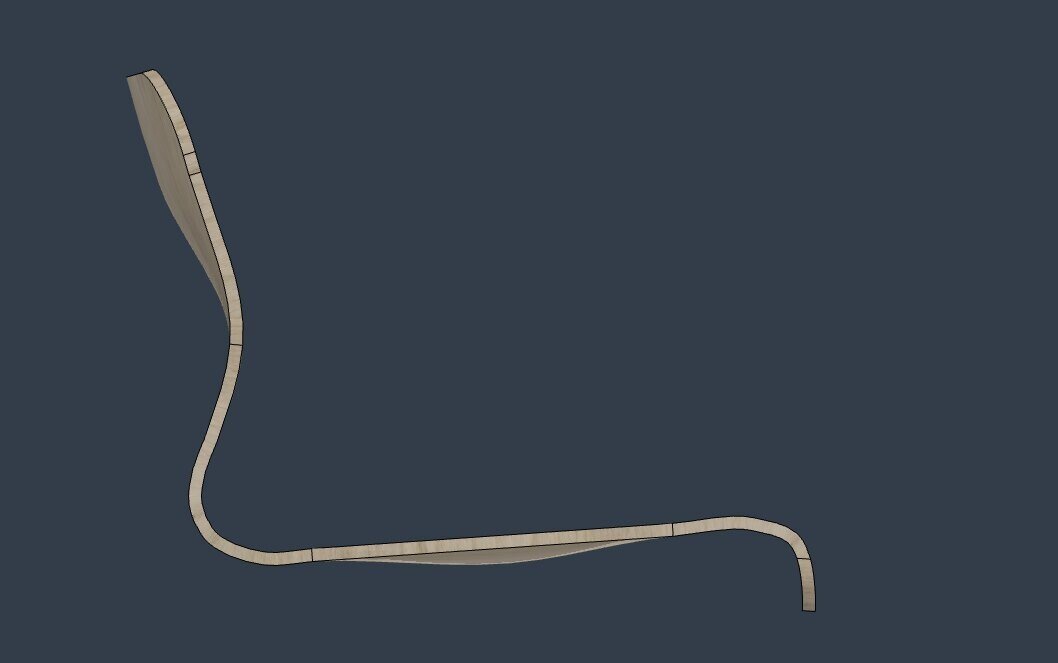
Side profile
The posture, front lip and back angle were tested as one continuous section.
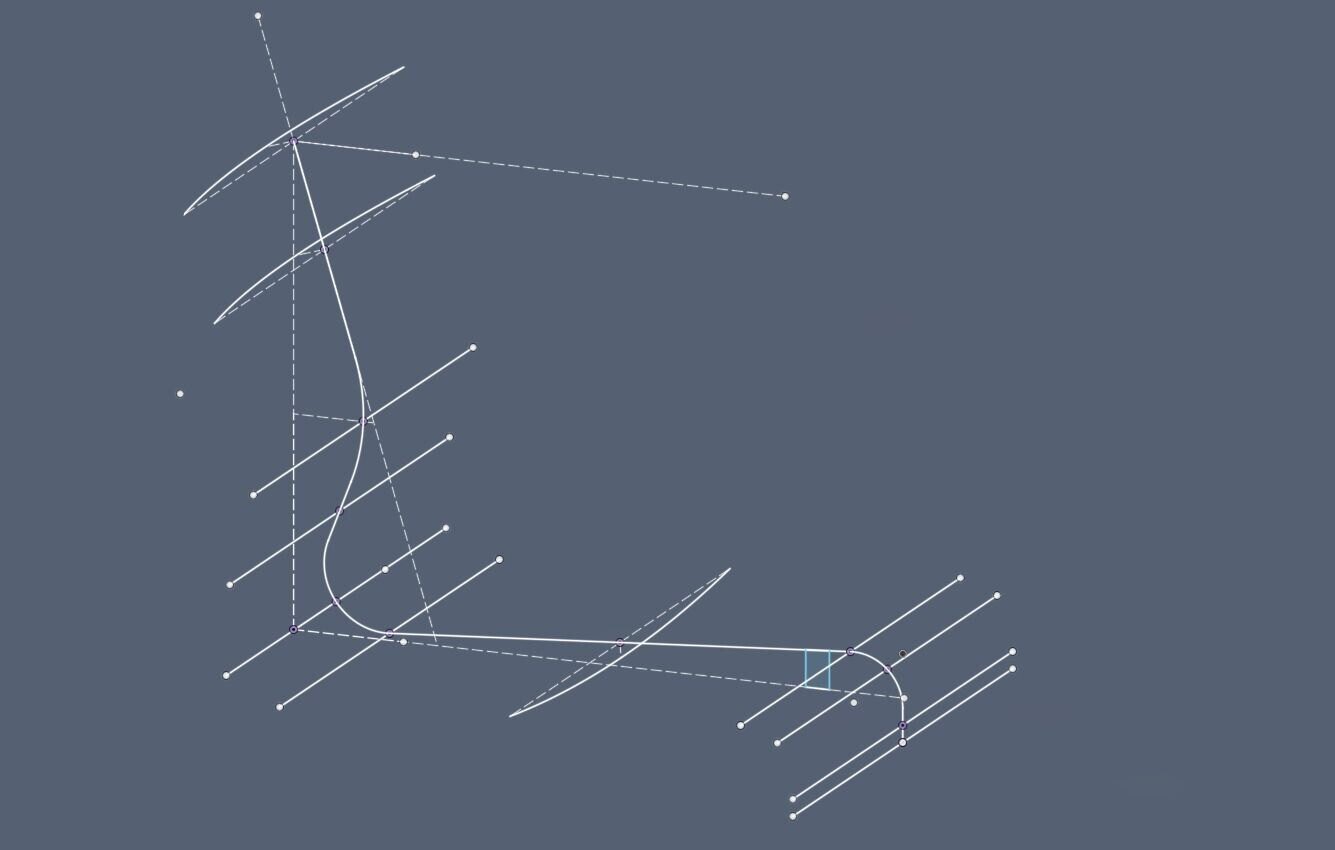
Spline framework
Rails and guide curves defined the shell before giving it thickness.
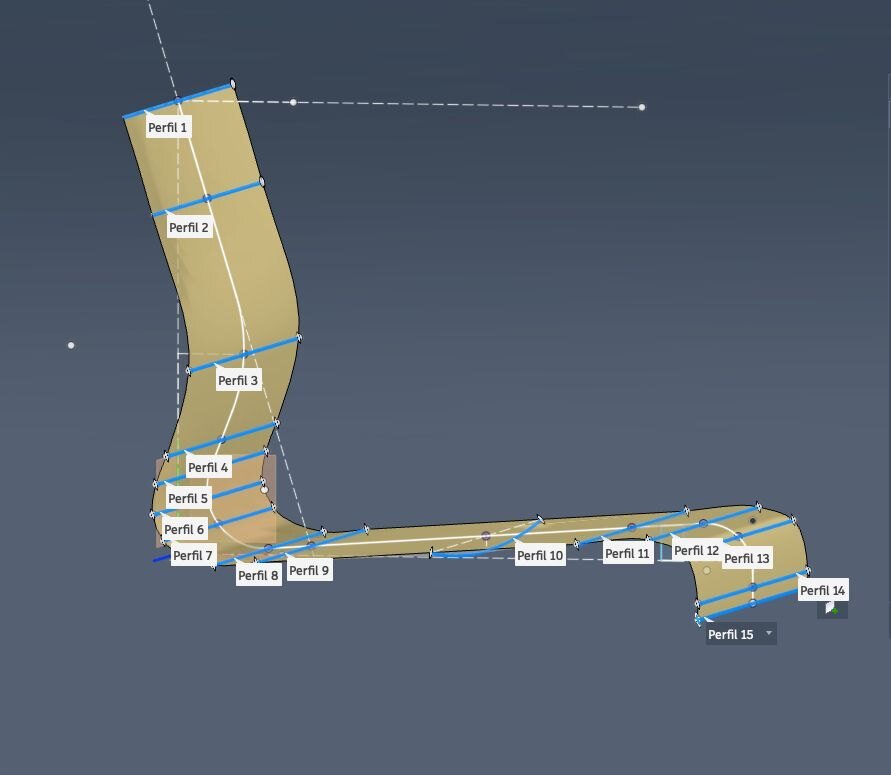
Loft sections
Perpendicular, centered profiles helped the surface stay clean through the bend.
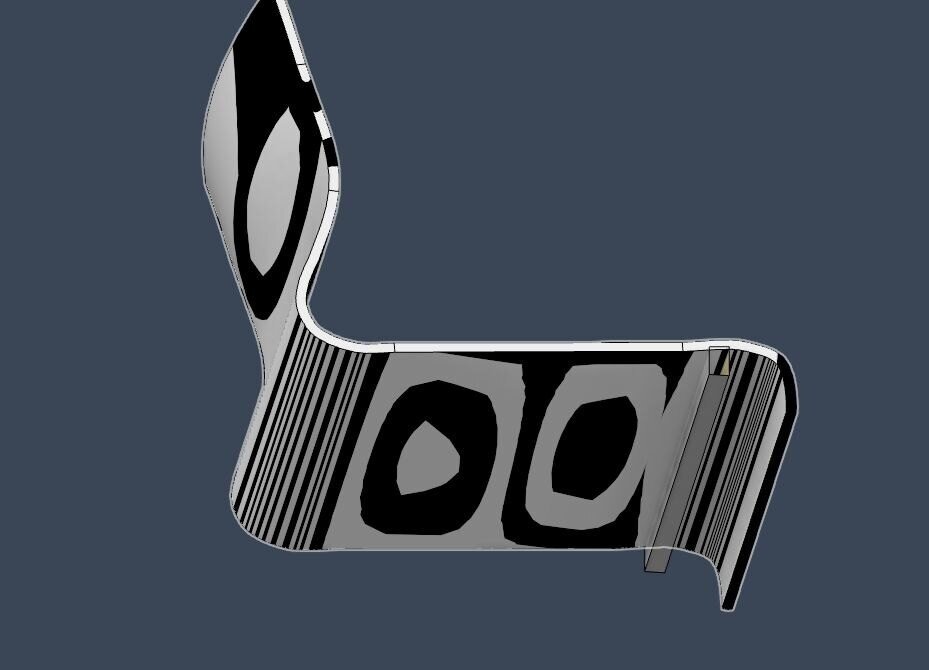
Surface check
Zebra analysis made it easier to see bumps, continuity and the quality of the final shell.
Dimensions and comfort
The technical drawings and posture checks aligned the Fusion model with the room and the body: a low seat, a supportive back and enough front softness to avoid feeling like a hard edge.
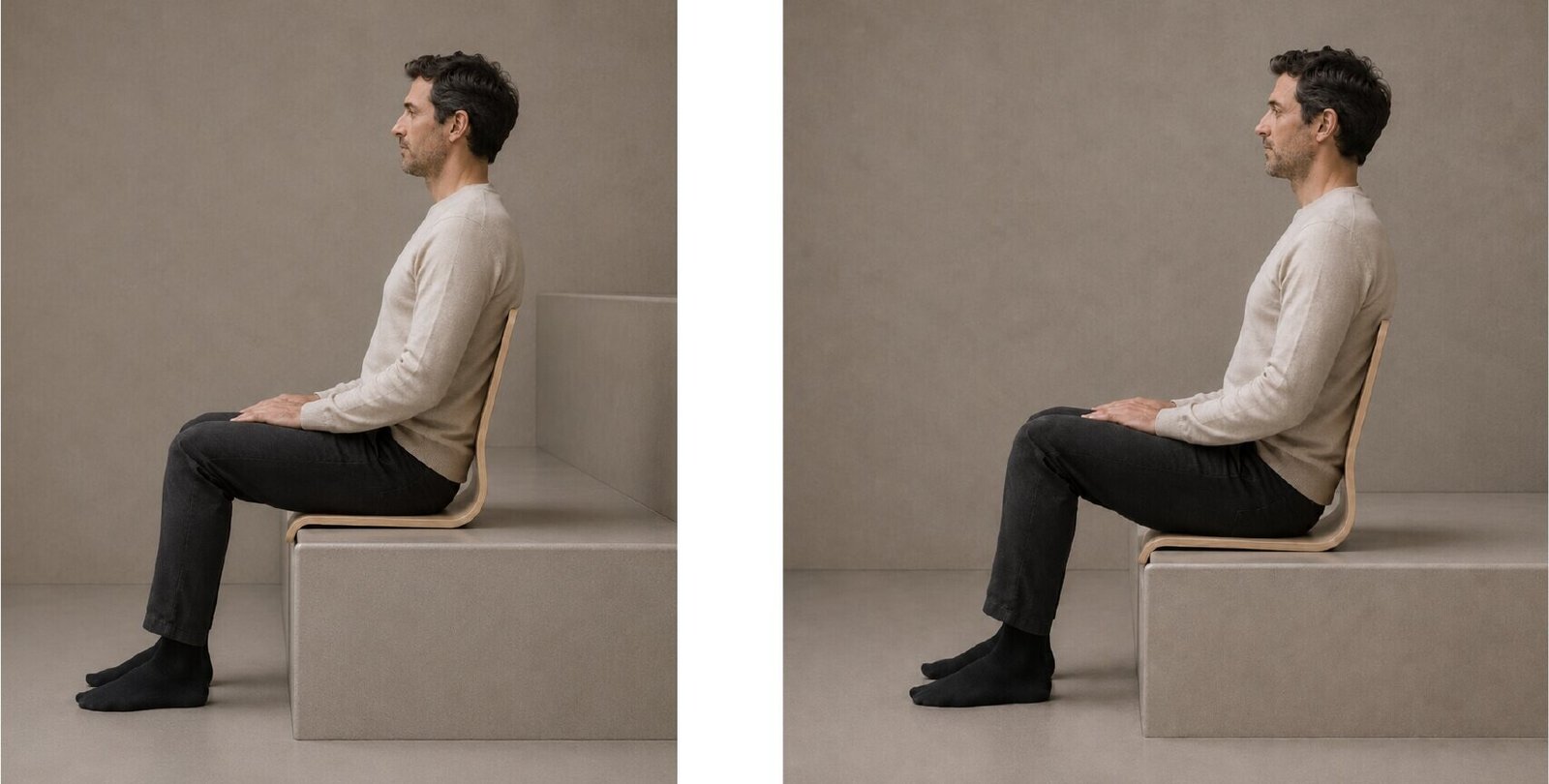

Outcome
A compact case study showing the early architect presentation, the Fusion 360 modeling process and the final corrected shell direction. The project sits between product design and interior adaptation: one object, designed from the needs of one specific room.